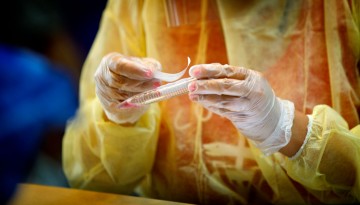
Models developed by university experts predict that the combination of a highly vaccinated campus population and public safety measures, including masks and testing, will minimize the risk of virus spread this fall.
When Cornell’s COVID-19 Modeling Team began developing protocols for the return to campus, they turned to Cornell librarians to comprehensively answer a series of rapidly evolving – and critically important – questions.
Since 2015, the CHAMPS program has provided opportunities for high-caliber students from groups traditionally underrepresented in biomedical careers to engage in scholarship and research.
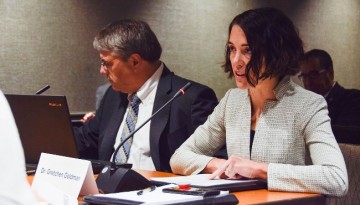
Goldman began the job in July and will serve a one-year term while on sabbatical from the Union of Concerned Scientists, where she is the research director for the Center for Science and Democracy.
Cornell researchers and their collaborators will continue to advance quantum science and technology thanks to $5.4 million in new funding from the U.S. Department of Energy to support two projects.
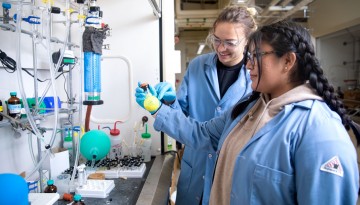
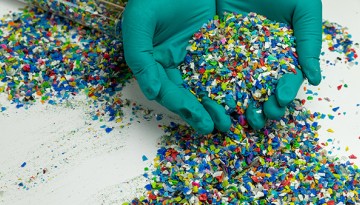
Cornell researchers created long chains of a polymer with high molecular weight and high tensile strength, resulting in a recyclable thermoplastic that is strong and flexible enough to be used for large-scale applications such as packaging products.
‘Blue hydrogen – made by using methane in natural gas – is lauded a clean, Cornell and Stanford researchers believe it may harm the climate more than burning fossil fuel.