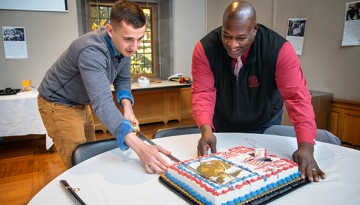
Students and professors from Cornell’s Reserve Officers Training Corps and Cornell student and staff veterans gathered for lunch Nov. 8 to celebrate the 242nd birthday of the United States Marine Corps Nov. 10 and Veterans Day, Nov. 11.
Fifteen veterans are leveraging the tenacity and problem-solving skills they learned in the military at the 2017 Entrepreneurship Bootcamp for Veterans with Disabilities, sponsored by the School for Hotel Administration.
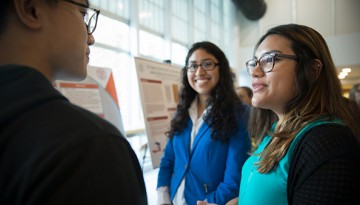
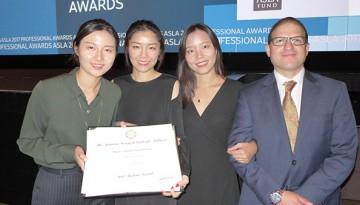
More than 40 student teams gave presentations based on their global and public health learning at the Cornell Global Health Program annual symposium Nov. 3.
As sea levels rise, the Coney Island peninsula may become uninhabitable. Cornell landscape architecture graduate students wrestle with the island’s tenable, livable resilience as nature aims to reclaim it.
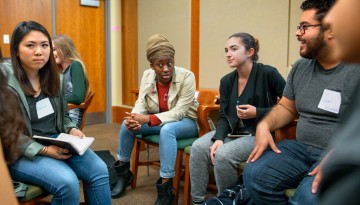
A new Engaged Learning Where You Live course at Alice Cook House addresses race and campus climate as an opportunity for students to learn from and with each other about issues of racial conflict and find common ground.
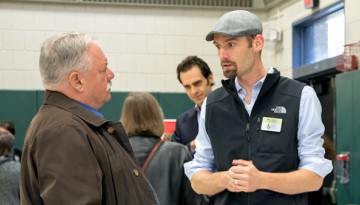
The fourth annual Town-Gown Resource Fair drew wide interest from around the community, including educators, area residents and members of social and governmental agencies.