An artificial intelligence algorithm can determine non-invasively, with about 70% accuracy, if an in vitro fertilized embryo has a normal or abnormal number of chromosomes, according to a new study from researchers at Weill Cornell Medicine.
Participation in the immersive Florida Field Course led to positive professional outcomes, higher rates of publications, and faculty positions at research institutions, according to a new study from Cornell ecology and evolutionary biology researchers.
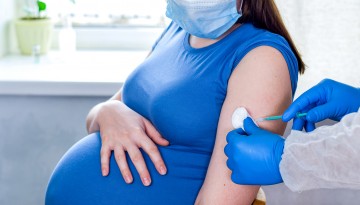
Those already pregnant at the beginning of the pandemic had a 50% lower exposure to SARS-CoV-2 compared with those who became pregnant after the pandemic began and the general population, Weill Cornell researchers and colleagues found.
The Albert’s lyrebird is a talented mimic, but as its rainforest habitat in Australia shrinks, so does the number of sounds that the bird can produce, degrading lyrebird culture.
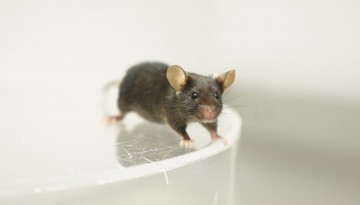
Cornell researchers found a link between the rate of ultrasonic vocalizations in mouse pups and their activity levels, which is important for understanding mouse models of communication disorders, including autism spectrum disorder.
A Cornell research team identified barriers to immigrants’ use of online resources that could help them access health and legal benefits, and recommended solutions they incorporated into a new website, Rights for Health.
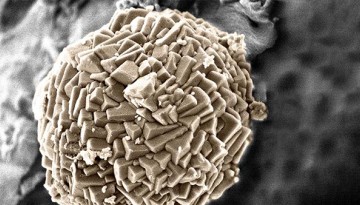
The $500,000 pre-purchase agreement is intended to support technology developed in the lab of Greeshma Gadikota and licensed through Cornell University’s Center for Technology Licensing.
Due to faster decomposition, disposable and plasticized biodegradable medical gowns introduce greenhouse gas discharge problems in landfills, according to new Cornell engineering research.
Cornell has established the Department of Design Tech, a Radical Collaboration partnership between five colleges that seeks to enhance design and technology education and research across the university.