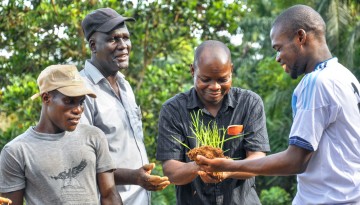
A Cornell program is playing a key role in a project to make rice more resilient to climate change and increase production in West Africa, thanks to a four-year, $14 million grant from the Adaptation Fund.
A gene mutation linked to Alzheimer’s disease alters a signaling pathway in certain immune cells of individuals with the disease, according to a new study by scientists at Weill Cornell Medicine.
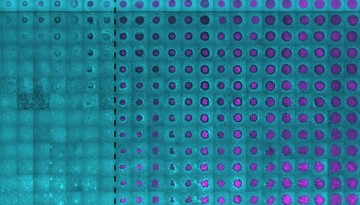
A new Cornell-led study battled strains of yeast manipulated to release different toxins at tunable and controlled rates, finding that the strain with the stronger toxin can only defeat another if its initial invading population exceeds a critical frequency or size.
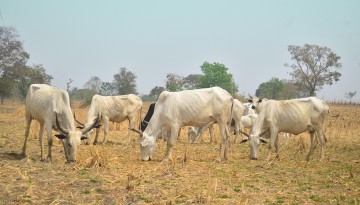
New research from the Cornell College of Veterinary Medicine has revealed how humans evolved greater resistance against anthrax multiple times during history: when they developed a diet of more ruminants, and when agricultural practices took hold.
A new ant species recently discovered in New Mexico has been named Strumigenys moreauviae, after Cornell University College of Agriculture and Life Sciences faculty member Corrie Moreau.
Fourteen percent of NYS residents can’t log on at home. ILR and Community Tech NY are launching the New York State Digital Equity Portal in partnership with the State Department of Education, the New York State Library and The John R. Oishei Foundation.
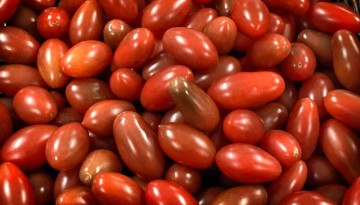
Moonshadow, a new variety of grape tomato, is a high-flavor, traditionally bred tomato derived from crosses with heirloom varieties. It’s aimed at organic growers, small farms and home gardeners.