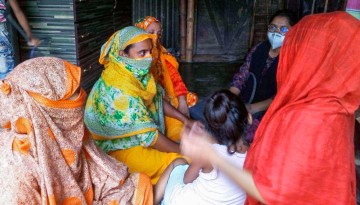
New Cornell research finds that in remote parts of Bangladesh with little internet access, people have relied on local experts, spiritual views and their sense of social justice to evaluate new coronavirus information.
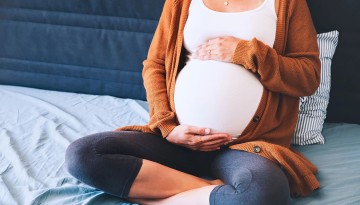
As more states legalize cannabis for medical or recreational purposes, its use during pregnancy is increasing – along with the potential forabuse or dependence.
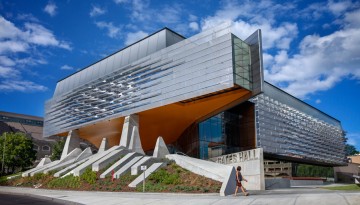
Cornell Bowers CIS has been awarded a three-year, $300,000 grant from the Clare Boothe Luce Program for Women in STEM to increase the number of undergraduate women pursuing research in computer science.
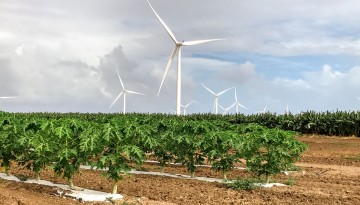
The project will prepare agricultural students to develop skills, knowledge and abilities in sustainable agriculture and natural resource management on the island.
As scientists continue to catalog genomic variations in everything from plants to people, today’s computers are struggling to provide the power needed to find the secrets hidden within mass amounts of genomic data.
The newly released “Pathways to Discovery in Astronomy and Astrophysics for the 2020s,” identifies scientific priorities, opportunities and funding recommendations for the next 10 years of astronomy and astrophysics.
For the first time, researchers have shown that there is a genetic component underlying the amazing spatial memories of mountain chickadees, which hide thousands of food items every fall and rely on these hidden stores to get through harsh winters.
Indy, a puggle-Boston terrier mix, has been treated with different chemotherapies five times and gone into remission each time at the College for Veterinary Medicine.
The CCAT-prime telescope project – being developed by an international consortium of universities, led by Cornell – has been awarded $1.3 million by the National Science Foundation.