A group of immune cells that normally protect against inflammation in the gastrointestinal tract may have the opposite effect in multiple sclerosis and other brain inflammation-related conditions, according to a new study by Weill Cornell Medicine researchers.
The new Center for Integrative Developmental Science, which launched this fall in the College of Human Ecology, will strengthen Cornell as a leader in human development research.
In a new book, Joseph Margulies ’82 proposes tools including neighborhood trusts to empower low-income residents to fight the threat of gentrification.
A natural food colorant called phycocyanin provides a fun, vivid blue in soft drinks, but it is unstable on grocery shelves. Cornell’s synchrotron is helping to steady it.
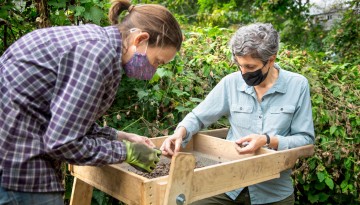
Cornell researchers and students are collaborating with community members to shed light on the role St. James A.M.E. Zion Church played in the abolitionist movement of the 1800s.
Research from a team of Cornell and Ithaca College faculty and students provided key insights to Tompkins County legislators, who recently approved funding for a new housing program to help formerly incarcerated people.
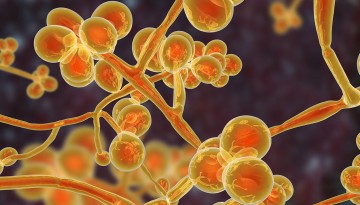
Antibody protection against harmful forms of fungi in the gut may be disrupted in some patients with Crohn’s disease – a condition caused by chronic inflammation in the bowel – according to a new study by Weill Cornell Medicine investigators.
Students who reported experiencing one or more forms of harassment dropped significantly to 44% this year from 50% in 2019, according to the 2021 Cornell Survey of Sexual Assault and Related Misconduct.
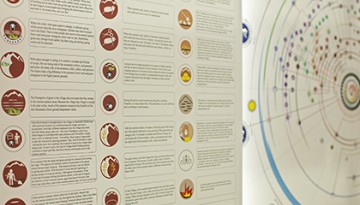
Art, sculpture, photos, and prints bring research on climate adaptation and resiliency to life at Cornell Botanic Gardens' Nevin Welcome Center. The exhibits illustrate the value and impact of a collaborative project with faculty and indigenous farmers, fishers, herders, hunters, and orchardists across the globe.