A Cornell-led research team’s improved cell therapy device effectively secreted insulin and controlled blood sugar in diabetic mice for up to six months – showing promise for the possibility of an effective, complication-free treatment for Type 1 diabetes, a chronic disease with no known cure.
Algorithm uncertainties are just one of several challenges social media content creators face, according to new research led by Brooke Erin Duffy, associate professor of communication.
Scott Emr, director of the Weill Institute for Cell and Molecular Biology and professor of molecular biology and genetics, was awarded the prize for the landmark discovery of complexes that are central to life, health and disease.
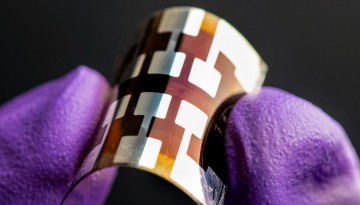
Cornell engineers are the first to study thermal transport in 2D hybrid perovskites – a new class of materials with promising applications for photovoltaics and thermoelectronics.
Ben Leff ’16 and government professor Peter Enns are co-founders of Reality Check Insights, a company that delivers data insights related to people’s attitudes, preferences and behaviors to media organizations, political groups and others.
About 12,000 bacteria and viruses collected in a sampling from public transit systems and hospitals around the world from 2015 to 2017 had never before been identified, according to a study led by Weill Cornell Medicine investigators.
An anonymous gift will improve grapevine health, quality, yields and profitability in the New York state wine and grape industry through the creation of a graduate student research fellowship program.
The Cornell China Center has announced six new grant awards, totaling $140,000, to support research by Cornell faculty teams partnering with researchers in China.