David Hysell, Ph.D. ’92, professor in the Department of Earth and Atmospheric Sciences, is using NSF funding to develop radar tools and techniques for monitoring space weather, including the creation of a new radar system at Cornell.
Black citizens in early America confronted a "national double-speak" in which white Americans celebrated freedom while supporting the enslavement of Black people.
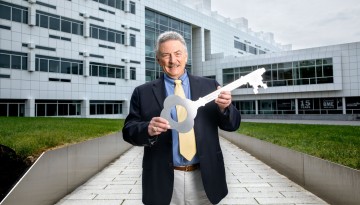
When Lou Walcer ’74 stepped into the new business incubator in Weill Hall 10 years ago, he saw opportunity. Now, the center has enjoyed a decade of success.
New research from NewYork-Presbyterian and Weill Cornell Medicine identified economic and social conditions impacting individual and group differences in health status, known as social determinants of health.
Research led by Corinna Loeckenhoff, professor of human development, is the first to show that a sense of increased time pressure caused by “social acceleration” may affect older adults who are no longer working.
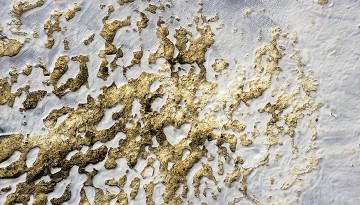
Using a microscope he developed, physicist Séamus Davis and his team have found an exotic state of quantum matter, originally thought to just exist in cuprates, in a more conventional type of material, which could lead to more discovery.
The College of Architecture, Art and Planning is represented in several pavilions and events at the prestigious, six-month exhibition, which seeks “a new spatial contract.”
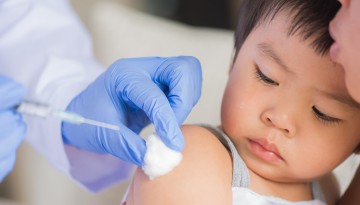
A two-year, $200,000 grant from the USDA and the Extension Foundation to Cornell researchers aims to help promote vaccine confidence and uptake in vulnerable communities in eight New York counties, both upstate and downstate.