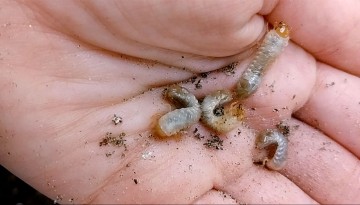
A team of Cornell scientists will use acoustic technology to develop efficient and affordable ways to manage soil-dwelling pests and their predators, thanks to a two-year grant from the USDA.
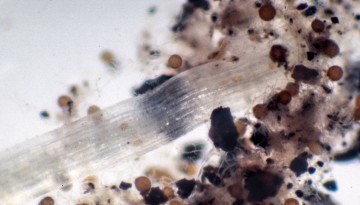
A new grant will investigate how bacteria that live inside the cells of fungi may shape the biology, evolution, biodiversity and function of these fungi – research with important practical applications for industry, sustainable agriculture and preventing food spoilage.
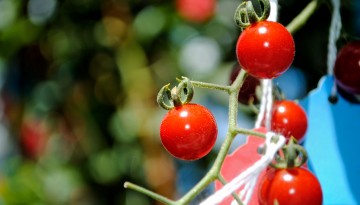
Researchers from Boyce Thompson Institute have created a reference genome for the predecessor of the modern tomato, and discovered sections that underlie fruit flavor and disease resistance, among other characteristics.
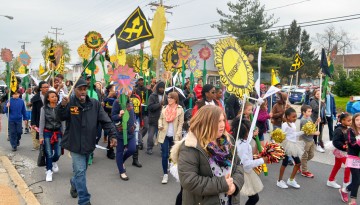
This year’s Lund Critical Debate, “The Police and the Public: Global Perspectives,” hosted by the Einaudi Center, will explore the contested ground between social justice and security, and weigh strategies for conflict resolution.
Employing an innovative research method that used smartphones to collect location and real-time survey data, sociologist Erin York Cornwell examined how everyday social environments may contribute to short- and long-term health changes.
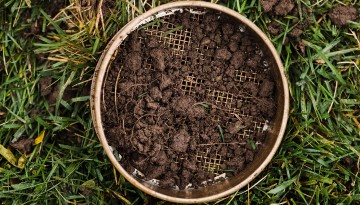
Two Cornell soil scientists have helped develop a powerful new tool that will help researchers and policymakers map the global potential for carbon sequestration.
Chloe Ahmann co-edited “Breathing Late Industrialism,” a special issue of Engaging Science, Technology, and Society, to focus not just on the wreckage of post-industrial landscape but also on the “radical potential” of how “late industrial systems might be put to life-affirming work.”
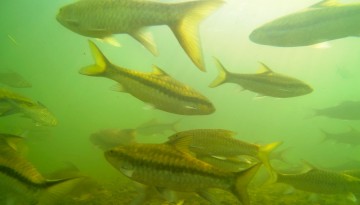
A collaboration between researchers from Cornell and the University of Wisconsin-Madison has found that small, community-based reserves in Thailand’s Salween River Basin are serving as critical refuges for fish diversity in a region whose subsistence fisheries have suffered from decades of overharvesting.
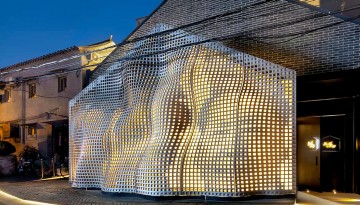
Architect Martin Miller discusses computational design techniques from artificial intelligence to robotic fabrication, and the fast pace of working on projects in China, collaboration and creativity, and his advice to students.