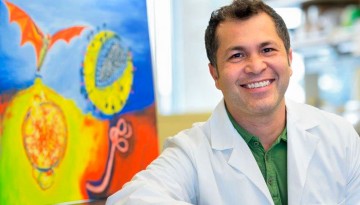
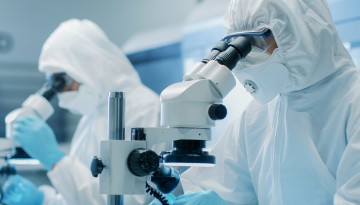
A Cornell researcher is studying Nipah virus in an effort to understand the basic mechanisms of transmission and infection, which are necessary steps toward vaccine development and other therapies.
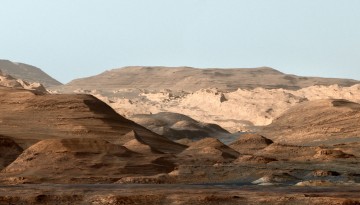
Floods of unimaginable magnitude once washed through Mars’ Gale Crater equator around 4 billion years ago – a finding that hints at the possibility that life may have existed there.
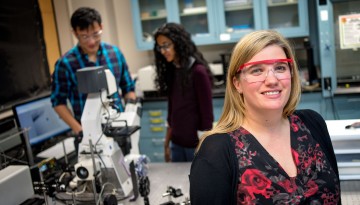
Years before COVID-19 turned into a global pandemic, biomolecular engineer Susan Daniel was already looking for ways to defeat it. Now she’s expanding her coronavirus studies, blending engineering with virology and data science.
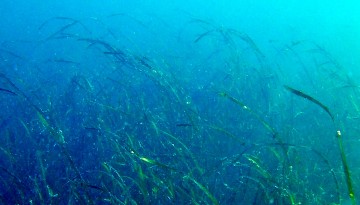
Olivia Graham joined five-dozen scientists on four continents to create a marine biology first: a global map to show where the ocean’s mid-sized predators are most active in a climate-changing world.
Ella Maria Diaz, associate professor of Latina/o studies and English in the College of Arts and Sciences, examines the life and work of vanguard Chicano artist, poet, professor and activist José Montoya in her new book.
The fourth annual Weill Cornell Medicine Dean’s Symposium on Entrepreneurship and Academic Drug Development drew 125 attendees and served as an urgent reminder of the importance of biomedical innovation.
The Feed the Future Innovation Lab for Food Safety has announced $2.9 million in grants for research projects to improve food safety and prevent foodborne illness in Bangladesh, Cambodia, Kenya and Senegal.
Entitled individuals were less likely to report that they were following COVID-19 health guidelines, according to a new paper co-authored by Emily Zitek, associate professor in the ILR School.
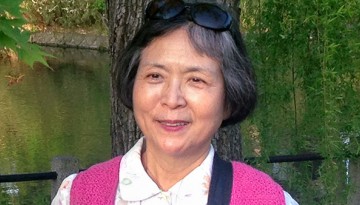
Anthropologist Yohko Tsuji views old age in America from a cross-cultural perspective, comparing aging in America and in her native Japan in her new book, “Through Japanese Eyes: Thirty Years of Studying Aging in America.”