Chiara Galli, one of six members of the Klarman Postdoctoral Fellowships inaugural cohort, researches the U.S. asylum process, specifically the experiences of unaccompanied minors.
Disease-specific training may improve home care workers’ job satisfaction and confidence caring for patients, according to new research from Weill Cornell Medicine and the ILR School.
The “One Health” approach is perfectly suited to tackling the COVID-19 pandemic, the most serious public health crisis in recent history, Cornell researchers said during the university’s COVID-19 Summit, a virtual event held Nov. 4-5.
A Cornell-led collaboration developed a 3D printing technique that creates cellular metallic materials by smashing together powder particles at supersonic speed.
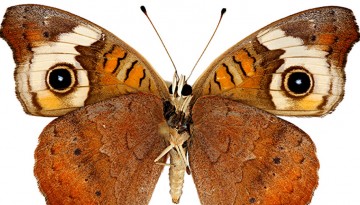
Cornell researchers have identified three genes responsible for changing the color of common buckeye butterfly wings, depending on what time of year the egg hatches and larvae develop.
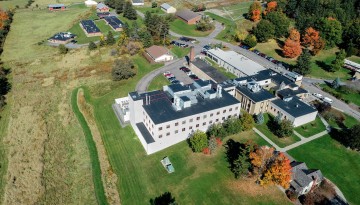
The Baker Institute for Animal Health has evolved and grown since its founding 70 years ago, and its breakthroughs regarding canine infectious diseases have established it as a global center for animal health research.
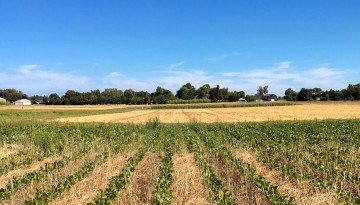
Organic crop farmers in the Northeast and Upper Midwest are facing an increasing number of challenges related to climate change and invasive pests, but a $2 million grant from the USDA will help them find sustainable solutions.