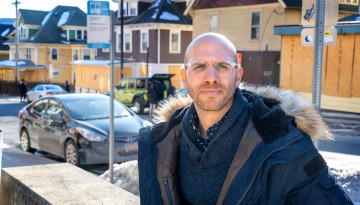
New research co-authored by Nicholas Klein in the Department of City and Regional Plannning studies improper scooter, e-bike and motor vehicle parking in five U.S. cities.
Cornell researchers have described a new type of gene drive with the potential to delay resistance that wild populations employ to fend off the genetic engineering of desired mutations.
Eleven early-career faculty members from six colleges and schools will participate in yearlong fellowships advancing ambitious research projects in the social sciences.
Cornell faculty members are finding answers to questions related to a world on the move with a boost from Cornell’s first Migrations grants, awarded by the “Migrations” Global Grand Challenge.
The new school and superdepartments in economics, psychology and sociology are expected to elevate Cornell’s excellence and impact in the social sciences.
The targeted drug palbociclib may boost the effectiveness of chemotherapy in pancreatic cancer if the two treatments are given in the right sequence, according to researchers from Weill Cornell Medicine.
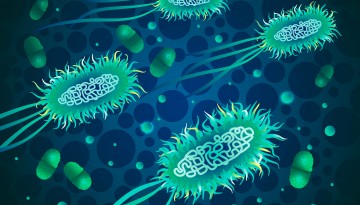
Urinary tract infections in kidney transplant patients may be caused by bacteria that originate in the digestive tract, according to researchers at Weill Cornell Medicine.
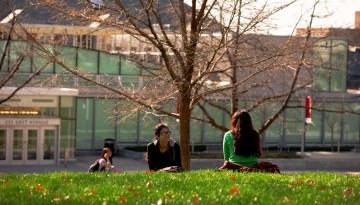
New research from an interdisciplinary Cornell team has found that it takes as few as 10 minutes in a natural setting for college students to feel happier and lessen the effects of stress both physically and mentally.