This month marks the third anniversary of the discovery of a system of seven exoplanets known as TRAPPIST-1. Nikole Lewis, assistant professor of astronomy, is principal investigator for one of the teams investigating TRAPPIST-1.
Historian Mary Beth Norton gives a detailed account of the 16 months leading into the Revolutionary War in her new book “1774: The Long Year of Revolution.”
In new research, Associate Professor Virginia Doellgast of the ILR School examines the role unions played in the aftermath of a wave of employee suicides starting in 2007, during restructuring at France Telecom.
Assistant professors Damek Davis, Christina Delimitrou and Robert A. DiStasio Jr. have won 2020 Sloan Research Fellowships from the Alfred P. Sloan Foundation.
Cornell researchers analyzed farmer preferences and found that the softness of cooked cassava is a major influence on what kinds of varieties farmers actually adopt.
New Cornell research shows that traditional physics labs can have a negative impact on students, while nontraditional, inquiry-based labs can improve student performance and engagement.
Aspiring film directors must outperform peers with similar experience to build reputations and advance their careers, according to a study co-authored by Heeyon Kim, assistant professor of strategy in the School of Hotel Administration.
Professor of practice Jon McKenzie is helping area students see the possibilities in making media, from info comics to video, to tell stories about real issues in their lives and in their communities.
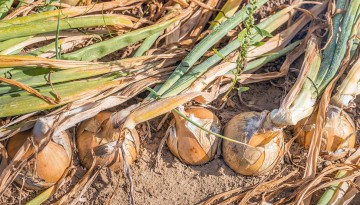
Cornell AgriTech researchers are tackling a form of onion leaf blight that recently has affected 75% of New York state onion crops, a $44.7 million industry.