New research from a team of Computing and Information Science scholars raises questions about hiring algorithms and the tech companies who develop and use them.
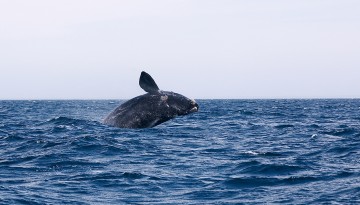
The highly endangered North Atlantic right whale, by rapidly altering its use of important habitat areas off the New England coast, is sending a signal about disruptive change in the environment, according to new Cornell research.
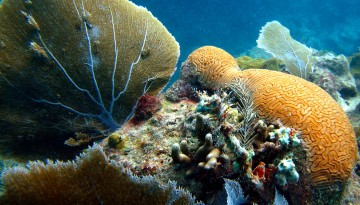
For the colorful, graceful sea fans swaying among the coral reefs in the waters around Puerto Rico, copper is an emerging threat in an era of warming oceans, according to new Cornell research.
Jennifer Grant, Ph.D. ’00, director of the state Integrated Pest Management Program, has won the Northeastern IPM Center’s inaugural Outstanding Achievements in IPM Award.
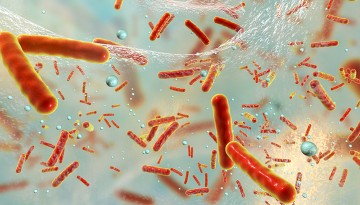
Cornell researchers have uncovered the structure of a regulatory mechanism unique to bacteria, opening the door for designing new antibiotics targeted to pathogens.
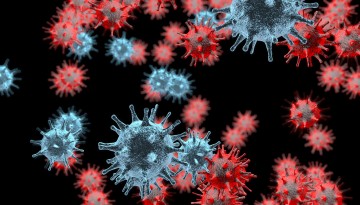
Researchers at the Baker Institute for Animal Health have identified a new mechanism that plays a role in controlling how the herpes virus alternates between dormant and active stages of infection.
A 10-year deer management study by Bernd Blossey, associate professor of natural resources, used red oak seedlings as an indicator of deer populations and their impact on ecology.