The Einaudi Center and the Migrations Global Grand Challenge are seeking two PI-eligible Cornell faculty fellows to lead the newly established Migrations Lab; application deadline is Dec. 16.
Urbano, a free software recently launched by Cornell researchers, employs data and metrics to help urban planners add walkability features to their designs.
Cornell has been honored for collaborations with farmworkers providing research, policy advocacy and outreach support including workshops, legal and tax assistance, and tutoring.
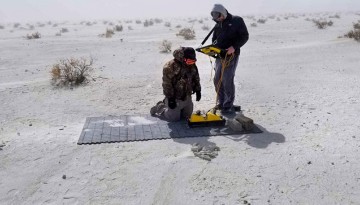
Invisible footprints hiding since the end of the last ice age – and what lies beneath them – have been discovered by Cornell researchers using a special type of radar in a novel way.
Bird habitat conservation strategies have typically overlooked the habitats needed by females, putting already-declining species in even more peril, according to researchers at the Cornell Lab of Ornithology.
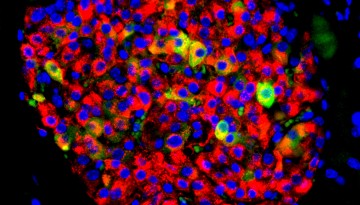
Researchers at Weill Cornell Medicine and NewYork-Presbyterian have discovered a function of the protein adipsin that could help inform new treatments for type 2 diabetes.
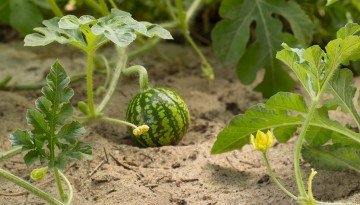
Researchers from the Boyce Thompson Institute have created a resource that could help plant breeders find wild watermelon genes that provide resistance to pests, diseases, drought and other hardships.
Cornell is co-leading a $9.95 million, five-year U.S. Department of Agriculture grant that aims to transform nutrition and water use in the poultry industry in order to improve its environmental impact and enhance human health.
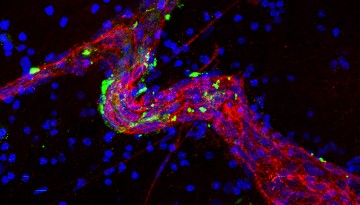
A protein that breast, lung and other cancers use to promote their spread – or metastasis – to the brain, has been identified by a team led by Weill Cornell Medicine and NewYork-Presbyterian investigators.