Cornell University Library’s Grants Program for Digital Collections in Arts and Sciences has awarded funding to five projects representing a range of study.
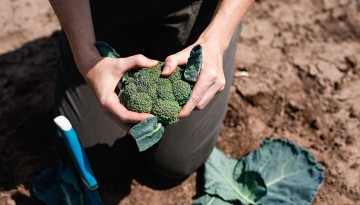
The Eastern Broccoli Project began in 2010 with the goal of growing a $100 million broccoli industry in the Eastern U.S. in 10 years. With two remaining years of funding, Cornell researchers say they are on schedule to meet their goal.
The health of Earth’s oceans is rapidly worsening, and newly published Cornell-led research has examined changes in reported diseases across undersea species at a global scale over a 44-year period.
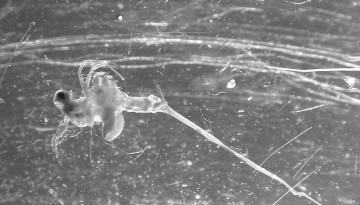
The nasty, predatory spiny water flea was discovered Sept. 16 in Oneida Lake by a Cornell student at the Cornell Biological Field Station at Shackelton Point in Bridgeport, New York.
Higher education has been transformed by computing, but technological advances must incorporate human needs, according to university administrators at a panel on the role of technology in education.
Turning an MRI exam into a superhero adventure helps prepare children for the test and reduces the need for sedation, according to research by investigators at Weill Cornell Medicine and NewYork-Presbyterian.
Researchers from every corner of Cornell are mobilizing to tackle one of the grand challenges of the modern era – migration – with a new initiative that launched Oct. 1.
A persistent salary gap for women is exacerbated by the fact that women are hired in typically lower rungs of companies, Cornell researchers said at a gender pay equity panel discussion, Sept. 18 in Sage Hall.