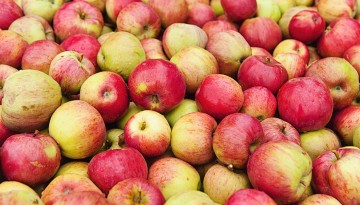
Unveiling a new economic impact analysis model, a Cornell team found the state’s apple industry has a 21 percent larger economic impact than traditional models suggest.
By studying the mechanics needed for tiny one-millimeter copepods to jump out of water, scientists could build robots that use similar jumping techniques for practical purposes.
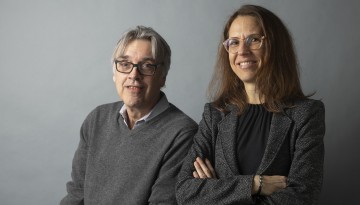
Richard Cerione, the Goldwin Smith Professor of pharmacology and chemical biology, and Claudia Fischbach, professor of biomedical engineering, discuss their collaborative research on cancer biology – the metabolic changes required for cancer development and cancer cells' interactions with other cells.
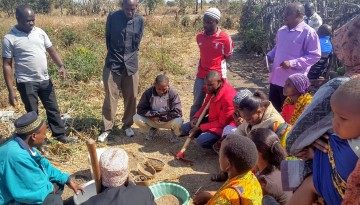
Smallholder farmers in sub-Saharan Africa are engaging in sustainable and equitable agricultural development through an innovative curriculum that puts them front and center.
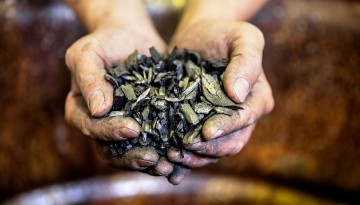
A Cornell-led study supported by the Atkinson Center for a Sustainable Future shows that biochar has great potential as a fertilizer because of its ability to soak up nitrogen, and its method for doing so.
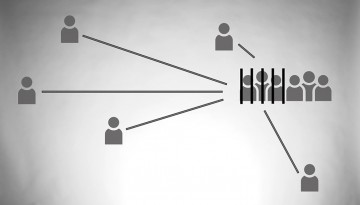
In a groundbreaking study illuminating the extensive scope of mass incarceration in the U.S., nearly 1 in 2 Americans have had a member of their immediate family spend time in jail or prison – a far higher figure than previously estimated.
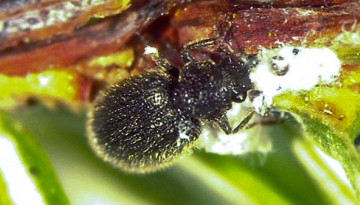
Mark Whitmore, extension associate in the College of Agriculture and Life Sciences, briefed congressional staffers on an invasive species threatening hemlock trees and ways to combat it.
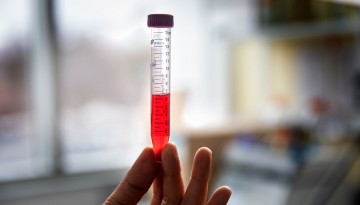
Cornell food scientists hunting for a stable, natural red food coloring to replace artificial dyes have unlocked a secret: Use beet extract and pair it with a starchy partner.
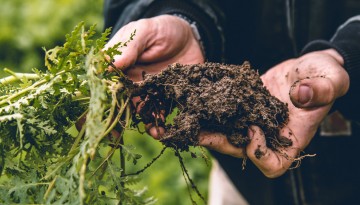
The Cornell-led New York Soil Health Initiative has just released its Soil Health Roadmap, which identifies ways farmers and land managers can adopt better soil health practices.