New Cornell research has advanced the design of solid-state batteries, a technology inherently safer than today’s lithium-ion batteries, which rely on flammable liquid electrolytes.
Much of the current research on puberty is based on scientific research that was done in the 1970s. Jane Mendle, associate professor of human development, and colleagues are looking to change that.
The Atkinson Center hosted a workshop Feb. 13 in Washington, D.C., that outlined an agenda highlighting Cornell’s research strengths in support of a new carbon economy.
Twelve graduate students will spend this year refining their dissertation plans and testing the waters of global research with help from the Einaudi-SSRC Dissertation Proposal Development Program.
Organizations can persuade people to pay attention to society’s problems by making emotional appeals, with eye-catching statistics and human interest stories, according to a new study co-written by Adam Seth Levine.
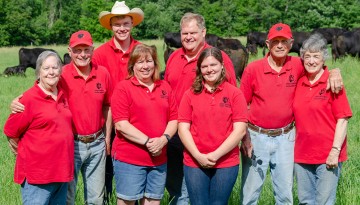
Thunder View Farms, a Catskill-region Angus beef operation founded and run by Cornell graduates, has been honored by the National Cattlemen’s Beef Association for its efforts at keeping water that flows to New York City safe.
Robert S. Summers, who grew up milking cows on his family’s farm in Oregon and went on to co-write the most widely cited treatise on U.S. commercial transaction laws, died March 1. He was 85.
As applications grow more complex, companies such as Twitter, Amazon and Netflix are turning to microservices – scores of small applications, each performing a single function and communicating over the network to work together.
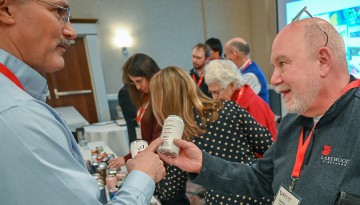
More than 300 winemakers, grape growers, distributors, marketers, educators and others attended the sixth annual B.E.V. NY conference and symposium Feb. 27-March 1.