Three teams have been awarded Public Issue Network Grants, providing up to $30,000 in funding for each project over three years. The grants support faculty, staff, students, alumni and community partners as they weave broader, more effective networks of potential collaborators, coordinate resources and increase the impact of their work on a particular social issue.
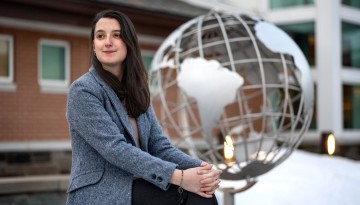
The chapter, "AI and International Politics," is a broad look at the opportunities and risks that the proliferation of AI technology holds for international politics.
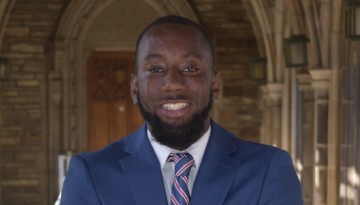
Mar’Quon Frederick will spend the summers of 2022 and 2023 in Washington, D.C., participating in internships, seminars on government and economics, and leadership and professional development workshops.
Students aim to reduce aviation emissions, support farmworkers and improve a New York animal shelter with the David M. Einhorn Center for Community Engagement’s Serve in Place awards.
Developing a skill such as public speaking can be uncomfortable and difficult, but new research shows that instead of avoiding embarrassment, seeking it out can actually result in better motivation and personal growth.
Despite persistent gaps in workforce participation, when it comes to wanting to work, the gender gap has all but disappeared over the last 45 years, according to Cornell sociologist Landon Schnabel.
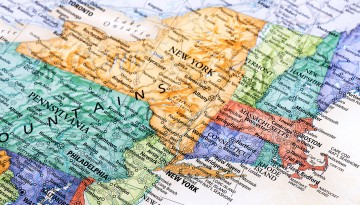
An analysis of newly released census data by the Cornell Program on Applied Demographics shows how the pandemic’s onset influenced populations in each New York state county.
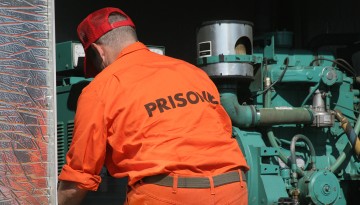
Formerly incarcerated men deal with uncertainty around whether to use their prison credentials or not when searching for work, according to new findings from Brooks sociologist Sade Lindsay.
A new study shows that it pays to pool finances if you’re seeking a higher level of satisfaction, harmony and commitment in your serious relationship or marriage.