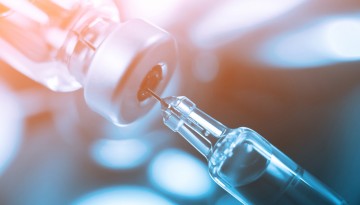
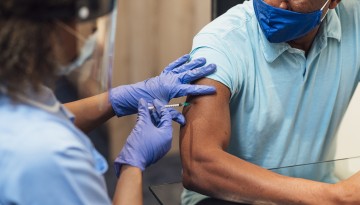
Cornell will host a virtual Q&A and panel discussion, “The Science behind COVID-19 Vaccines: A Conversation with Cornell’s Immunology Experts,” Monday April 12 from 4 to 5 p.m.
During National Public Health Week April 5-11, up to 10,000 seats are available in the new Citizen Public Health Leader Training Program developed by Cornell experts in partnership with New York state.
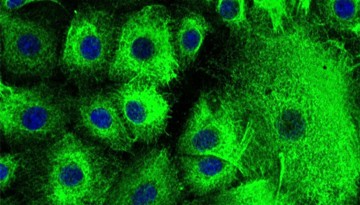
Dr. Gerlinde Van de Walle recently received a grant from the Foundation for Food and Agriculture Research to advance her stem cell research to develop a potential therapy for mastitis in cows.
New York Gov. Andrew M. Cuomo on March 24 announced the launch of the state’s free, online Citizen Public Health Training Course, delivered by the state Department of Health in partnership with Cornell.
Female veterinarians make less than their male counterparts, new research from the College of Veterinary Medicine has found – with an annual difference of around $100,000 among top earners.
Located a short drive to the east of Cornell’s main campus, on Hungerford Hill, the Janet L. Swanson Wildlife Hospital is a hidden treasure, providing lifesaving medical care for native wild animals.
An app that would maximize profit and minimize food spoilage and loss across the agriculture supply chain was named the grand prize winner in the third annual Cornell Institute for Digital Agriculture Hackathon.
The College of Veterinary Medicine has created a brand-new scholarship to encourage under-represented high school students to explore veterinary medicine by attending the Cornell University Summer College course, Veterinary Medicine: Small Animal Practice.
The Office of Academic Integration has awarded $750,000 in seed grants to 10 studies ranging from refugee health and legal rights, to a vaccine treating fentanyl addiction and overdose, to pancreatic cancer and antibiotic tolerance.