Future pandemics can be averted if the world’s governments eliminate unnecessary wildlife trade and adopt holistic approaches, according to experts at a Feb. 23 virtual conference.
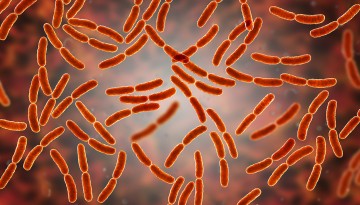
The discovery of an “Achilles’ heel” in a type of gut bacteria that causes intestinal inflammation in patients with Crohn’s disease may lead to more targeted therapies for the difficult-to-treat disease, researchers have found.
Cornell faculty and students are teaming up with community partners in Tompkins County to address opioid use, increase food security, build a greener construction industry and share stories of Ithaca’s Black history pioneers.
Cornell and WWF will host a virtual conference Feb. 23 focused on the link between humans and wildlife, and the subsequent prevention of future pandemics.
As CCSS fellows, a dozen faculty members representing seven colleges and schools will pursue ambitious research projects on issues ranging from political polarization to environmental justice.
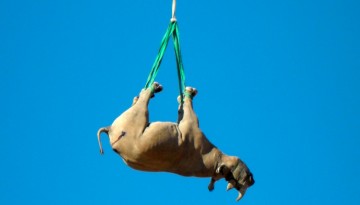
When moving endangered rhinoceroses in an effort to save the species, hanging them upside down by their feet is the safest way to go, new research from College of Veterinary Medicine has found.
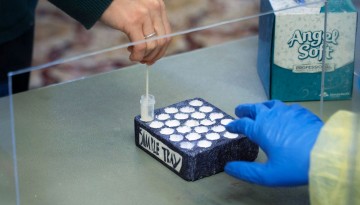
One unsung aspect of Cornell’s success in managing the spread of COVID-19 on campus has been a commitment to analyze and learn, to pivot and adapt. As a result, the university will implement tweaks to its COVID-19 response plan this Spring semester.
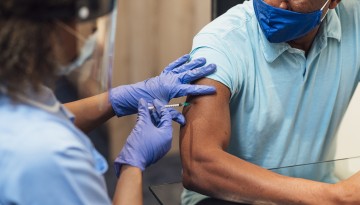
Cornell is partnering with New York state and Northwell Health System to develop and train the nation’s first state public health corps, which will support COVID-19 vaccination and improve long-term public health outcomes.
The grant from The Andrew W. Mellon Foundation’s Just Futures Initiative will bring together scholars from across the university and beyond to study the links between racism, dispossession and migration.