As part of its mission to make Cornell a more diverse and inclusive environment for faculty, staff and students, the Presidential Advisors on Diversity and Equity have awarded three grants of $15,000 apiece for 2021 programming.
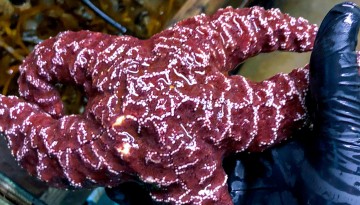
New Cornell-led research suggests that starfish, victims of sea star wasting disease, may actually be in respiratory distress, as nearby organic matter and warming oceans rob them of their “breath.”
Grants awarded recently by the Cornell Center for Social Sciences seeded research projects on topics ranging from COVID-19 and policing to clean energy and product design, led by scholars from across the university.
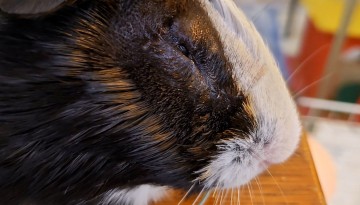
Odin the guinea pig, who a local family adopted from the SPCA of Tompkins County, suffered from eyelid agenesis but doctors at the Cornell University Hospital for Animals performed two surgeries and he’s fully recovered.
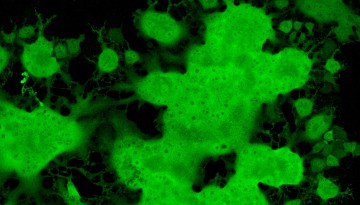
Scientists at the College of Veterinary Medicine developed a new technology for studying viruses directly in their host cells, opening the door to finding a functional cure for HIV – and a possible tool in the fight against COVID-19.
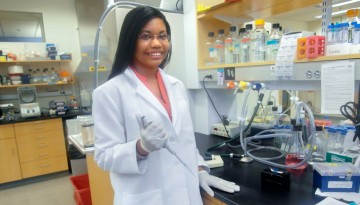
Black in Immuno, a grassroots movement started by early-career Black scientists in 2020, is mobilizing scientific communities to support and promote Black immunologists. Their efforts are in full swing for Black in Immunology Week, Nov. 22-28.
New research out of the College of Veterinary Medicine has revealed that vaccination of endangered Siberian tigers is the only practical strategy to protect these big cats from potentially deadly canine distemper virus.
A Cornell researcher is studying Nipah virus in an effort to understand the basic mechanisms of transmission and infection, which are necessary steps toward vaccine development and other therapies.