Small-scale farmers see a path to solving global hunger over the next decade, thanks to a Cornell-hosted project that used artificial intelligence to cull ideas from more than 500,000 scientific research articles.
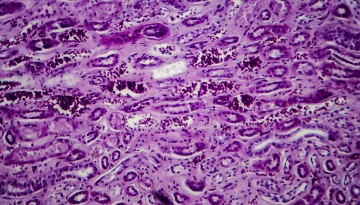
Researchers led by Hening Lin have found a new way to potentially treat inflammatory bowel disease, as well as other autoimmune disorders, by targeting a mechanism that regulates the signaling pathway that enables inflammation to occur.
Cornell and the Cayuga Health System are donating COVID-19 testing and analysis to the Ithaca City School District, testing more than 1,200 students this week as the district prepares to reopen for in-person instruction Oct. 5.
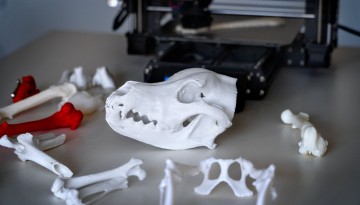
First-year veterinary student Sean Bellefeuille’s startup creates anatomical models of animals with a 3D-printer. These models help veterinary surgeons better prepare for surgery on their patients.
The NSF has awarded a $1.5 million grant for Cornell researchers to study the health dangers, changes in the lake food web and socioeconomic challenges when these algal blooms produce toxins.
Cornell food scientists show in animal studies that a mother’s high-fat diet may lead to more sweet-taste receptors in taste buds resulting in poor feeding behavior, obesity in adulthood.
Scientists at the College of Veterinary Medicine have published a study that pinpoints which specific genes drive or delay high-grade serious ovarian carcinoma, the fifth-leading cause of cancer-related deaths in U.S. women.
Twenty faculty members from eight colleges have been named Engaged Faculty Fellows, committed to advancing community-engaged learning and scholarship at Cornell and within their academic disciplines.