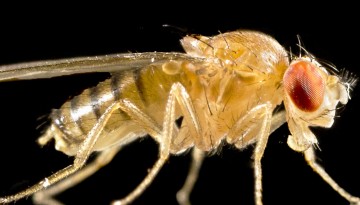
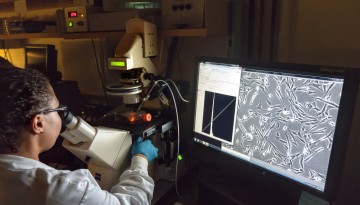
Two Cornell research teams, studying crop viruses and insecticides’ physiological effects on insects, have received grants totaling nearly $900,000 from the U.S. Department of Agriculture’s National Institute of Food and Agriculture.
Since requesting proposals in April, the Cornell Atkinson Center for Sustainability has awarded approximately $250,000 in rapid-response grants for COVID-19-related Cornell research.
Tests to date of more than 4,000 students, faculty and staff show a very low prevalence of COVID-19 as Cornell prepares to test thousands of returning students.
Leland “Skip” Carmichael, Ph.D. ’59, the John M. Olin Professor of Virology Emeritus and an expert on canine infectious diseases, died July 27 in Ithaca. He was 90.
The Cornell Veterinary Biobank has received a $2.5 million federal grant to process, store and distribute biological samples for the Dog Aging Project, a massive national effort to study aging in dogs – and humans.
Buddy, a 13-year old briard rescue dog, is one of three dozen dogs in an ongoing study on treating persistent gastrointestinal problems with changes in their diets. The results so far have been remarkable.
A new male fertility test based on Cornell research could help predict which men might need treatment and which couples might have success with different forms of assisted reproduction.
Susan Daniel and Gary Whittaker discuss their collaborations and others across Cornell’s campuses that are working to better understand the COVID-19 virus.