Dr. Carl Nathan, chairman of the Department of Microbiology and Immunology at Weill Cornell Medicine, was awarded the Joan and Sanford I. Weill Exemplary Achievement Award at a gala March 5.
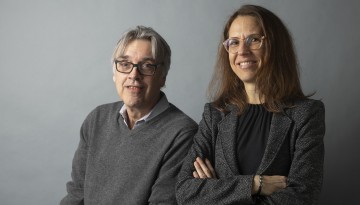
Richard Cerione, the Goldwin Smith Professor of pharmacology and chemical biology, and Claudia Fischbach, professor of biomedical engineering, discuss their collaborative research on cancer biology – the metabolic changes required for cancer development and cancer cells' interactions with other cells.
Two Weill Cornell Medicine trauma surgeons held a pair of training sessions at Cornell Health for “Stop the Bleed,” a national effort to teach basic bleeding control.
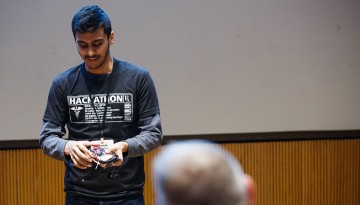
The third annual NYC Health Hackathon, hosted Feb. 8-10 by Weill Cornell Medicine, brought teams together in an attempt to solve myriad medical challenges.
Research on blood flow in the brain, from the lab of Chris Schaffer and Nozomi Nishimura, could help inform better therapies for people with dementia, including Alzheimer's disease.
Building on Cornell’s decades of fundamental and comparative research in the immunological sciences, Provost Michael Kotlikoff has announced the creation of a new Cornell Center for Immunology.
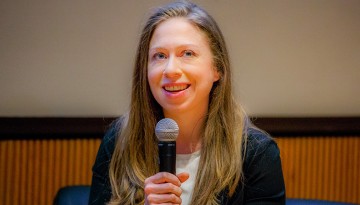
Chelsea Clinton is a public health advocate, researcher and educator. But being a mother has deepened her passion for children’s health, she explained in a talk on Feb. 5 at Weill Cornell Medicine.
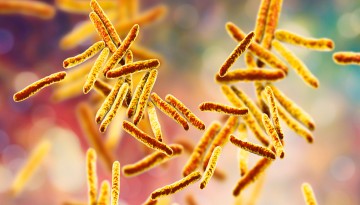
An investigation by Weill Cornell Medicine scientists has yielded two breakthroughs in the pursuit of combating growing resistance to tuberculosis treatments.
On Jan. 2, the School of Industrial and Labor Relations’ new New York City headquarters and conference center opened in the historic General Electric building at 570 Lexington Ave. Several other Cornell colleges, units and programs will soon be using space in the building.