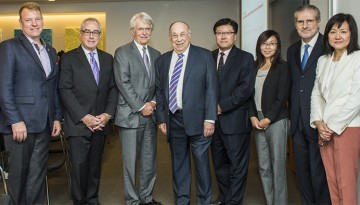
World experts in neurodegenerative diseases gathered at Weill Cornell Medicine Sept. 25 to present the latest discoveries in the study and treatment of Alzheimer's disease.
Cross-campus gathering will focus on the biggest challenges facing the world, and help determine a theme on which the university will focus in the 2019-2020 academic year.
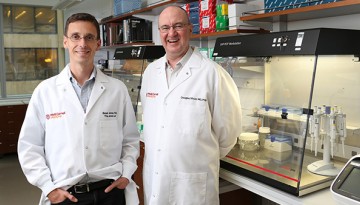
As therapies for HIV have advanced to help many patients control the infection as a chronic disease, investigators and patients have set their sights on a new goal: finding a cure. Drs. Douglas Nixon and Brad Jones have recently joined Weill Cornell Medicine in the hopes of accelerating that hunt.
Ultrasmall Cornell dots armed with antibodies are another weapon in the fight against cancer, says Uli Wiesner, professor of materials science and engineering.
The Sept. 27-28 symposium “Bridging the Divide: Machine Learning in Medicine,” held at the Cornell Lab of Ornithology, brought together researchers and clinicians from Cornell’s Ithaca campus and Weill Cornell Medicine to discuss recent work and initiate collaborations in the field of machine learning in medicine.
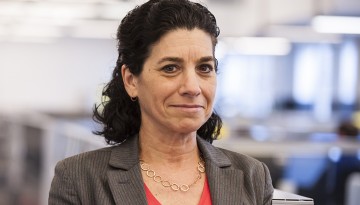
Deborah Estrin, professor of computer science at Cornell Tech and of healthcare policy and research at Weill Cornell Medicine, has been awarded a 2018 MacArthur Foundation fellowship for her innovative work using mobile devices and data to address social challenges.
Weill Cornell Medicine was awarded a $2.7 million grant to establish a Diversity Center of Excellence to increase the number of minority physicians in academic medicine.
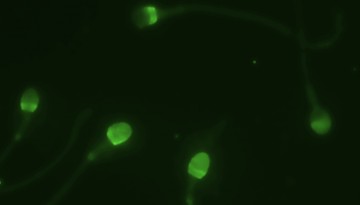
A new test developed at the College of Veterinary Medicine quantifies “capacitation,” the changes that take place within a sperm cell that enable it to fertilize.
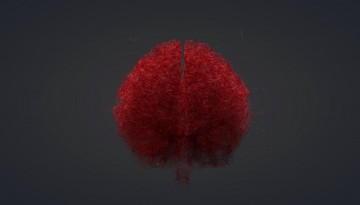
ApoE4, a protein linked to both Alzheimer’s disease, increases the risk of cognitive impairment by reducing the number and responsiveness of blood vessels.