Dr. Barbara Hempstead will become dean of the Weill Cornell Graduate School of Medical Sciences on Jan. 14. She succeeds Dr. Carl Nathan, who is completing his planned two-year term.
Avery August, Ph.D. ’94, is a professor of immunology in the College of Veterinary Medicine, the university’s vice provost for academic affairs and co-director of the Cornell Center for Health Equity, which spans the Ithaca campus and Weill Cornell Medicine.
Postmenopausal women with higher levels of body fat have a significantly increased risk of developing breast cancer even if they have a normal body mass index, according to a new study.
A study of the dual pathways that process the essential vitamin folate unexpectedly revealed a new way the cancer drug methotrexate works and may suggest strategies to boost its cancer-killing effects.
Weill Cornell Medicine has been awarded a five-year, $9 million Program Project Grant from the National Cancer Institute to study an aggressive and incurable form of lymphoma.
This year's AAAS electees from Cornell include a renowned artificial intelligence researcher, an emeritus professor who studies animal migration patterns, and a food safety expert.
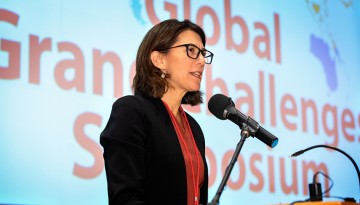
Global Grand Challenges Symposium brought together faculty, administrators and guests to discuss challenges on which Cornell should place emphasis and resources in 2019-2020.