Cornell is a global leader in sustainability and climate change research, teaching and engagement. Our campuses are living laboratories for developing, testing and implementing solutions that address these most challenging issues.
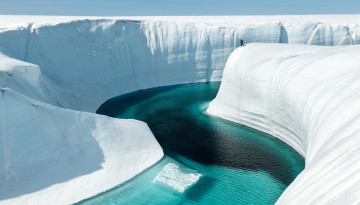
‘Rivers of Ice’ exhibit offers lens on glaciers’ retreat

The exhibition featuring books, maps and other visual materials related to the study of glaciers and the Earth’s shifting climate opens Sept. 17 at the Hirshland Exhibition Gallery of Carl A. Kroch Library.

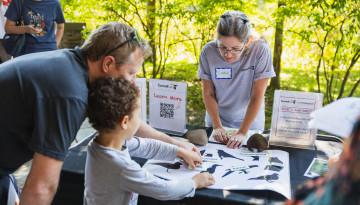
Lab of Ornithology to host annual Migration Celebration

Celebrate birds with a fun-filled day of free workshops, presentations, bird walks, and more at the Cornell Lab of Ornithology on Sept. 12 from 10 a.m to 3 p.m.

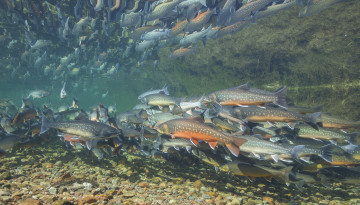
Bipartisan fisheries management law would expand eDNA use

Bipartisan legislation introduced this month by the co-chairs of the U.S. Senate Oceans Caucus relies on environmental DNA techniques pioneered by retired Cornell Atkinson director David Lodge.

Conference to reimagine ocean futures to be held Sept. 10–12

From Sept. 10–12, future-oriented scholars from around the United States will convene at the Just Ocean and Coastal Futures Conference at Cornell University to imagine, design, and support reparative frameworks in ocean and coastal studies.

Around Cornell

Study casts doubt on carbon-removal method

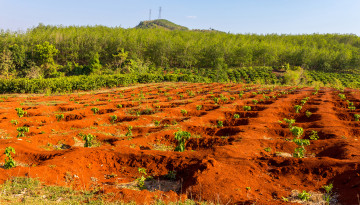
A study led by Cornell researchers suggests the real-world potential of “enhanced weathering” — spreading crushed basalt on farmland as a way to removed CO2 — may be far smaller than widely cited estimates.

Research Matters returns, following ideas from the lab to real life 

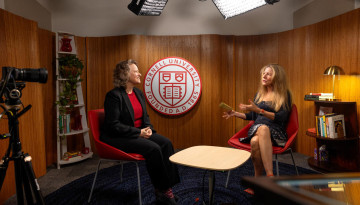
The second season of Research Matters, a Cornell video podcast, drops today, with a way-too-relevant episode on why we don't always do the things we know we should.

‘Wall-to-wall’ map of NYC trees could help cool cities worldwide

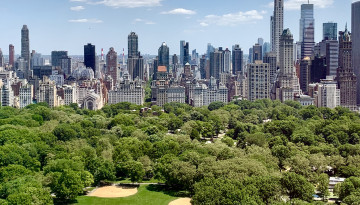
Researchers used satellite images to identify 1.8 million trees in New York City, a new approach that could be broadly implemented to increase cooling and improve air quality in cities.

Life in the deep Atlantic depends on the Labrador Sea

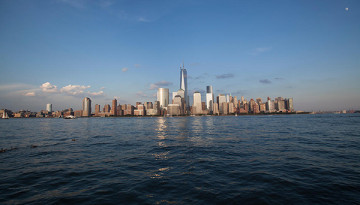
The mixing waters in the Labrador Sea, sandwiched between Greenland and Newfoundland, provides enough oxygen to sustain life throughout the deep North Atlantic Ocean.

World off-track on nearly every food system goal, latest assessment reveals

The latest study from the Food Systems Countdown Initiative (FSCI) reveals the stark reality of where global food systems transformation stands: For most indicators on health, environment, livelihoods, governance and resilience, a vast majority of countries will not meet the internationally agreed 2030 goals.

Around Cornell