Cornell is a global leader in sustainability and climate change research, teaching and engagement. Our campuses are living laboratories for developing, testing and implementing solutions that address these most challenging issues.
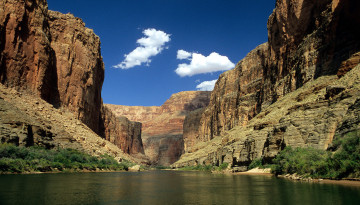
Colorado West Slope water shortages require careful coordination

A new Cornell study shows how drivers of water shortage, from melting snowpack to growing population demands, may impact Colorado’s West Slope River basins and Lake Powell – a major source of energy and water supply for 40 million people.

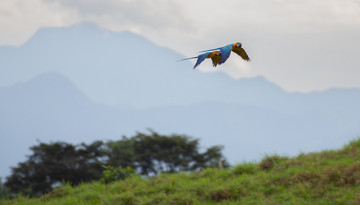
Rubber tree agroforestry supports birds, biodiversity in the Colombian Amazon

A doctoral candidate and Semlitz Sustainability Fellow and his Colombian partners seek to protect birds and biodiversity in the Amazon via sustainable rubber tree agroforestry.

Around Cornell

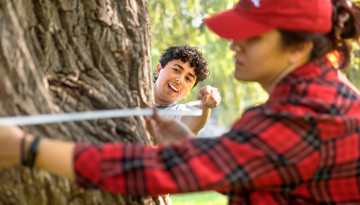
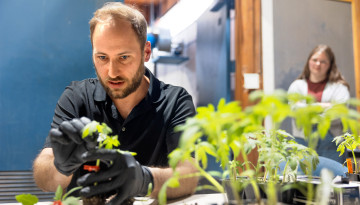
Master gardeners test for best NYS vegetable varieties

Across 37 counties, Cornell Cooperative Extension master gardeners are growing and evaluating select vegetables to find what grows best in New York state.  

Cornell, City of Ithaca seek ‘unified vision’ for parks

Students and faculty will help the city transform its parks and their care – with new landscaping features and a proposed maintenance plan and governance structure. 

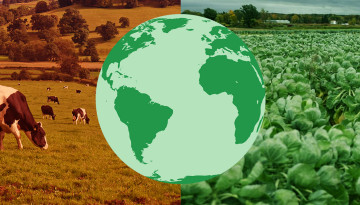
The diet that could remake modern agriculture

New study asserts that systematic change in food production and consumption requires real political capital and will.

How a Cornell startup scaled to $1.3 billion in battery tech

The startup was founded by Cornell alumni and a professor, inspired by a class in the Cornell SC Johnson College of Business and nurtured through Cornell’s entrepreneurship ecosystem.

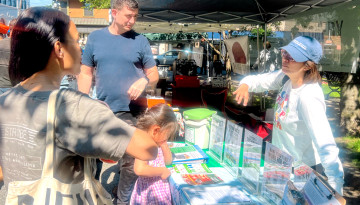
NYS stewards spur ‘absolutely critical’ local action on climate change

The Cornell Climate Stewards program gives New York state residents the tools and confidence to address the impacts of climate change in their communities. 

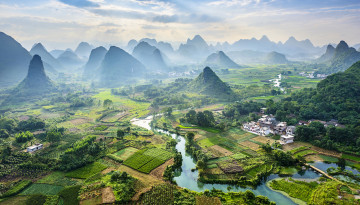
China’s pollution declines came at a cost

China’s Scientific Outlook on Development program, which tied local leaders’ job performance evaluations to environmental quality improvements, had negative impacts on the country's agricultural economy, researchers found.

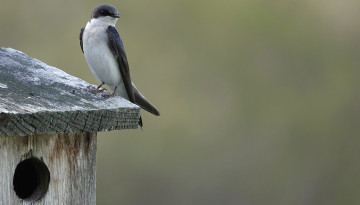
Climate change leaves northern tree swallows most vulnerable

Tree swallows in the northern U.S. and Canada face the greatest risk from climate change despite responding to temperature the same way as tree swallows in the southern U.S.