Cornell is a global leader in sustainability and climate change research, teaching and engagement. Our campuses are living laboratories for developing, testing and implementing solutions that address these most challenging issues.
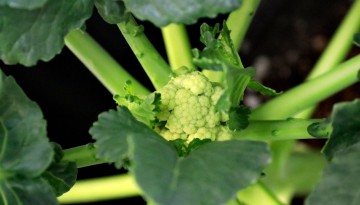
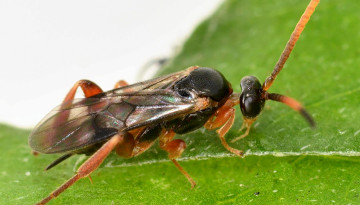
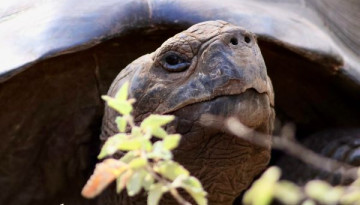
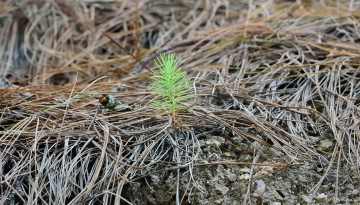
Collaborative exhibits showcase biodiversity

Three new Cornell University Library exhibits explore the beauty and fragility of Earth’s biodiversity in habitats near and far, from elusive species on other continents to wildlife in our own backyards.

Cornell Atkinson research grants support future sustainability leaders

Cornell Atkinson has announced 40 research grants to support undergraduate and graduate student researchers whose work will support sustainability, biodiversity and agriculture. 

Around Cornell

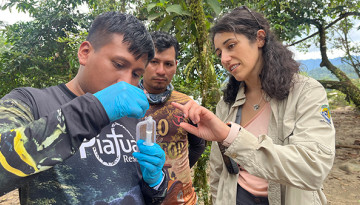
What can individuals do to prevent the next pandemic?

Elisha Frye, D.V.M. ’10, explains how Cornell’s Animal Health Diagnostic Center works at the front lines of detecting and preventing diseases that can jump between animals and humans.

Spring cold snaps harm nesting tree swallows, but some show resilience

Warming temperatures cause tree swallows to nest up earlier than they once did, but early spring cold snaps can hinder nestlings’ growth and survival. 

On storm-ravaged Vieques, a microgrid builds resilience

A small Puerto Rican island still lacks reliable power nine years after Hurricane Maria - a new collaboration with Cornell is bringing relief. 

Nickel catalyst enables high-performance fuel cell free of precious metals

Cornell researchers have developed a non-precious-metal catalyst that represents a major step toward alkaline fuel cells that use inexpensive commodity metals, such as nickel and cobalt, in several energy applications.

Global atlas will track human and climate impact on river systems

A new Cornell-led project will create a global record that shows how river systems around the world have changed under human influence over the last 75 years.

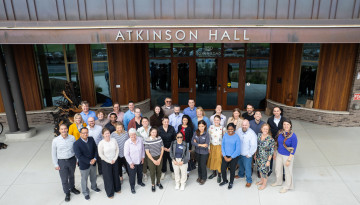
Ecologist, biogeochemist Emily Bernhardt to lead Cornell Atkinson

Emily Bernhardt, Ph.D. ’01, the James B. Duke Professor of Biogeochemistry at Duke University, will join Cornell as the Francis J. DiSalvo Director of the Cornell Atkinson Center for Sustainability on Sept. 1.

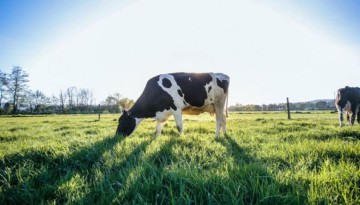
Risk, not zero-detection, should guide food safety

Cornell-led research argues that food safety regulations should set evidence-based targets for food that is sufficiently safe rather than aiming for zero risk, which is neither achievable nor desirable.