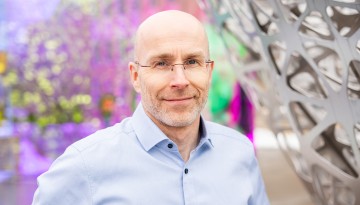
Kersten, Ph.D. ’97, an experienced molecular nutrition researcher and academic leader, comes to Cornell from Wageningen University in the Netherlands, where he was most recently professor and chair of the Division of Human Nutrition and Health.
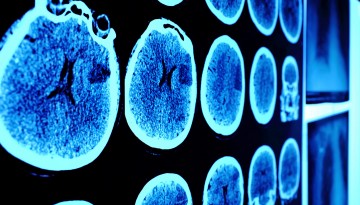
A multicenter, phase 3 clinical trial has found that apixaban is no more effective than aspirin at preventing a second stroke in patients diagnosed with a milder, related condition called atrial cardiopathy, according to new research.
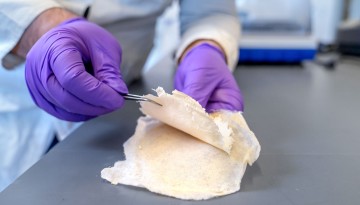
An interdisciplinary team of Cornell researchers has identified an innovative way to harness the antioxidant and antibacterial properties of the botanical compound lawsone to make nanofiber-coated cotton bandages that fight infection and help wounds heal more quickly.
While New York’s farmers face more extreme weather events, they are learning to adapt, says a new statewide climate impacts assessment, led and written by two Cornell researchers.
Cornell Tech and the SC Johnson College of Business have partnered to launch Generative AI for Business Transformation, a certificate program to help leaders harness the power of AI.
Outside of the token skate park, the diverse needs of New York state teens are often ignored when planners design public spaces. A new collaboration between a College of Human Ecology professor and Cornell Cooperative Extension seeks to put an end to that.
Alessio Accardi, professor of physiology and biophysics in anesthesiology at Weill Cornell Medicine, has been awarded a five-year, $2.7 million grant for fundamental research on cell membrane proteins that have critical roles in biology and are involved in numerous human diseases.
“Polycentric” development patterns can mitigate the urban heat island effect by distributing urban density and curbing the sprawl of impervious surfaces, a Cornell analysis finds.
"Labor Un:Imagined," this semester's Preston H. Thomas Memorial Symposium, brings scholars together to explore how the field has addressed building labor in architectural history and pedagogy.
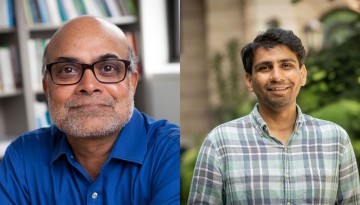
A new book authored by researchers at the Tata-Cornell Institute for Agriculture and Nutrition (TCI) argues that India needs to rethink its social safety nets in order to address these issues and realize its full potential.
Jeannine Gerhardt, an assistant professor of stem cell biology in obstetrics and gynecology and in reproductive medicine at Weill Cornell Medicine, has received a five-year, $2.1 million grant for the study of repetitive DNA and RNA sequences and the mechanisms by which they cause cell dysfunction and diseases.
Applications are open for the Contribution Project, a program that grants $400 each to undergraduates with ideas for how to make a difference in the world.