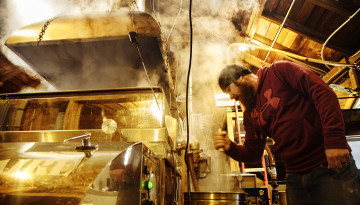
A new low-cost, do-it-yourself method allows maple syrup producers to cool and hold sap before boiling, giving greater flexibility and preventing all-nighters.
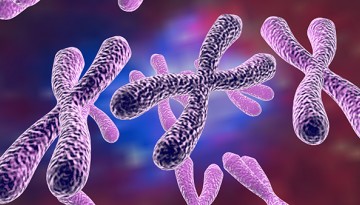
Research finds that chromosomal inversions – which occur when a chunk of chromosome containing tens to thousands of genes breaks off, flips and reattaches – help certain species maintain genetic differences adapted to various regions.
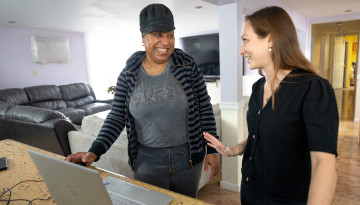
Fourteen members of Cornell’s faculty and staff are being recognized this year with Community-Engaged Practice and Innovation Awards from the David M. Einhorn Center for Community Engagement.
The Long Island Regional Clean Energy Hub offers residents and businesses free guidance and subsidies to reduce their energy use, transition to clean energy and lower their heating and electricity bills.
The Assessing and Imagining the Impact of Generative AI on Science Symposium, March 3-5, will feature experts from across academia and industry engaging in discussions on the use and implications of generative AI.
New York state farmers with solar leases say they’ll use the added revenue to invest in their farms, with many stating they don't plan to change their agricultural practices at all.
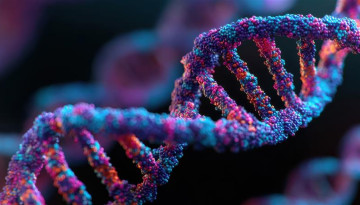
Researchers at Cornell's Weill Institute for Cell and Molecular Biology have uncovered new evidence that two major types of gene-controlling DNA sequences, promoters and enhancers, operate with a shared logic and often perform the same jobs.
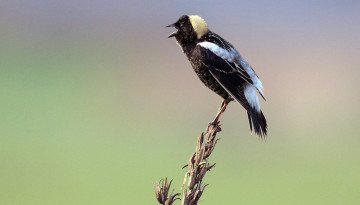
In June 2023, smoke from Canadian wildfires dampened birds’ vocalizations in New York state, with a particularly negative effect on already imperiled grassland birds.