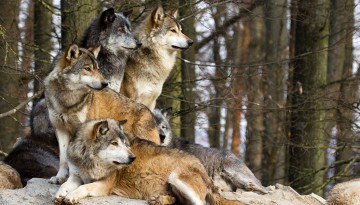
Re-introducing wolves and other predators to landscapes does not miraculously reduce deer populations, restore degraded ecosystems or threaten livestock, according to a new study.
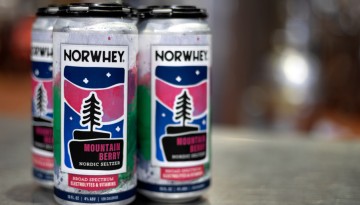
The brand is a triple threat: it’s an alcoholic beverage with a better nutritional profile, it’s made from material that would otherwise go to waste – and it could eventually act as a model for dairy farmers looking for additional revenue.
The gorges on Cornell’s campus are part of its iconic beauty, and generations of Cornellians have been inspired by hiking through them – but their beauty can belie their potential danger.
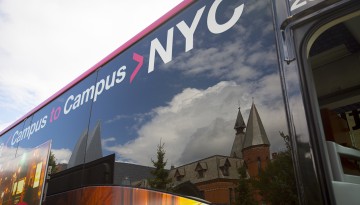
Activities beyond campus – such as business air travel, student commutes and purchases like lab equipment – account for more than 60% of Cornell’s carbon emissions, according to a new analysis.
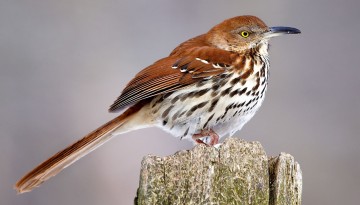
The free machine-learning powered tool can identify more than 3,000 birds by sound alone, generates reliable scientific data and makes it easier for people to contribute citizen-science data on birds by simply recording sounds.
Mary Jo Dudley, director of the Cornell Farmworker Program (CFP) and senior extension associate in Global Development in the College of Agriculture and Life Sciences, has been named to the National Advisory Council on Migrant Health.
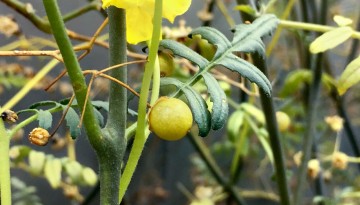
A team of researchers has assembled a reference genome for Solanum lycopersicoides, a wild relative of the cultivated tomato, and developed web-based tools to help plant researchers and breeders improve the crop.
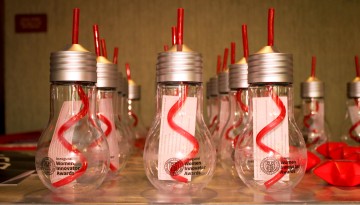
Three Cornell scientists were honored during a June 1 ceremony promoting women’s engagement in innovation and commercialization – part of Cornell’s efforts to elevate women inventors, who were awarded just 12.8% of all U.S. patents in 2019.