Plant-based alternatives to beef will help reduce carbon dioxide emissions, but they could disrupt the agricultural workforce, threatening more than 1.5 million industry jobs.
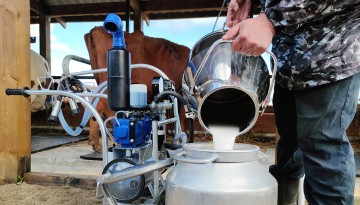
Rising temperatures pose major challenges to the dairy industry – a Holstein’s milk production can decline 30 to 70% in warm weather – but a new Cornell-led study has found a nutrition-based solution to restore milk production during heat-stress events, while also pinpointing the cause of the decline.
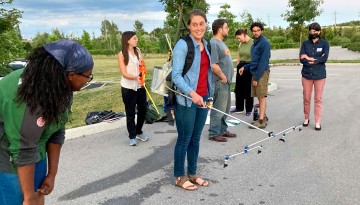
Cornell’s undergraduate Weed Team won first place, while Megan Wittmeyer ’22 earned a top individual award, at the Northeastern Weed Science Society Collegiate Weed Science Contest.
Mildred Warner, professor of city and regional planning in the College of Architecture, Art and Planning and global development in the College of Agriculture and Life Sciences, has been honored for her work to promote age-friendly communities and public health in Tompkins County, New York.
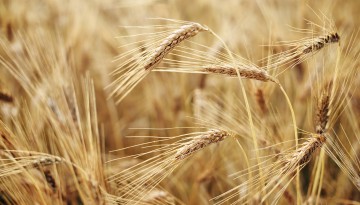
Adjusting the sowing dates for wheat in eastern India will increase untapped potential production by 69%, new research shows, helping to ensure food security and farm profitability as the planet warms.
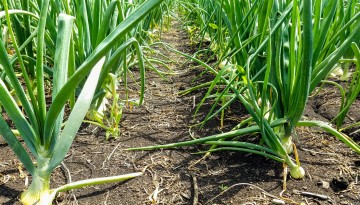
A surprise finding from new research on controlling pests and disease in New York commercial onion fields will enable the state’s producers to cut their use of synthetic chemicals without sacrificing yield.
Students and lifelong learners are invited to explore a new interest, enhance their resume or strengthen their professional skills through Cornell’s Fall Part-Time Study Program, which runs Aug. 22 – Dec. 17, 2022. Registration for most students begins August 1.
New research in biomechanics measures the impact of head-first, hand-first and feet-first diving and the likelihood of injury at different diving heights.
Sphingolipids – prominent molecules produced by bacteria in the gut microbiome – appear to ameliorate a problematic fatty liver, according to new Cornell nutrition research.