A new study demonstrates for the first time that the same undersea fiber-optic cables used for internet and cable television can be repurposed to tune in to marine life at unprecedented scales, potentially transforming critical conservation efforts.
Water resources will fluctuate increasingly and become more and more difficult to predict in snow-dominated regions across the Northern Hemisphere by later this century, according to a new study.
The first comprehensive annotation of long intergenic non-coding RNAs (lincRNAs) in the genomes of four mustard species provides a solid foundation for understanding how these molecules contribute to important traits in agricultural crops,.
In a July 10 ceremony at the Statler Hotel, the Cornell Prison Education Program honored graduates released since the start of the pandemic, which curtailed prison-based commencements.
Smart thermostats may be falling into a dumb trap. While these devices save homeowners money, Cornell engineers found they may be prompting unintentional energy spikes on the grid.
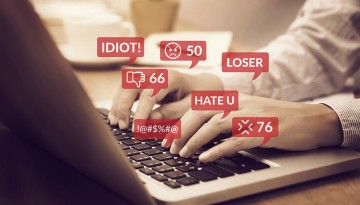
Anti-fandom in the world of social media influencers can serve a social function by allowing people to critique norm transgressions, but it can also be a destructive force, a Cornell-led research team proposes.
The awards are based on nominations from students, faculty and staff, and the recommendations of a selection committee. The recognition comes with a $15,000 prize to be used for research, scholarship and other activities at Cornell.
Nearly everyone can identify a pond, but what, exactly, distinguishes it from a lake or a wetland? A new study co-led by Cornell offers the first data-driven, functional definition of a pond and evidence of ponds’ distinct ecological function, which could have broad implications for science and policy.