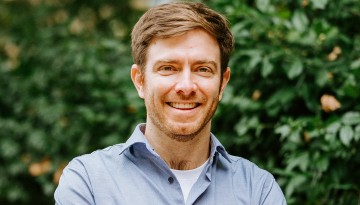
JP Pollak, co-founder and chief architect at The Commons Project Foundation, which is working on a universal vaccine app, is the guest for the fifth episode of the Startup Cornell podcast.
A team of graduate students in food science, mechanical engineering and biological engineering is among the winners of Phase 1 of the NASA Deep Space Food Challenge.
A talk by Brig. Gen. Joseph Biehler, “The Role of the Military in Supporting State Crises,” will highlight campus events in observance of Veterans Day, on Nov. 11.
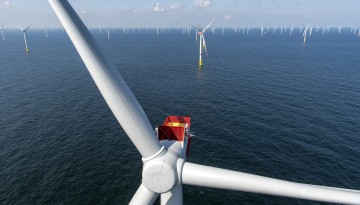
Cornell research shows how to make offshore wind farms more efficient in the face of impending rapid expansion, as the U.S. Department of the Interior plans leasing federal waters.
Four climate-controlled respiration chambers will be built in the Large Animal Research and Teaching Unit to study gas exchange of dairy cattle and other livestock with the goal of reducing emissions.
Cornell faculty members have until Monday, Dec. 6, to submit nominations of distinguished scholars in the areas of humanities and physical sciences for the A.D. White Professors-at-Large Program.
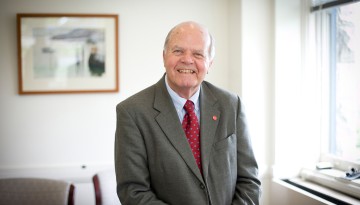
The independent Office of the University Ombudsman provides a space for faculty, students and staff to engage in candid and confidential discussions about academic or workplace concerns. Charles Walcott, Ph.D. ’59, plans to retire later this year as university ombudsman, the part-time position he’s held for a decade.
Flavio Lehner won a three-year, $500,000 grant from the National Oceanic and Atmospheric Administration to improve climate models on which future U.S. water projections are based.
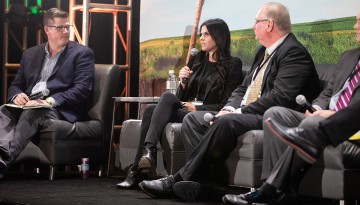
“A Call For Innovation: New York’s Agrifood System,” a report published this past spring by Cornell’s Center for Regional Economic Advancement, is the basis for the topics to be addressed at this year’s Grow-NY Summit, slated to bring food and ag innovators together at the Syracuse Oncenter on Nov. 16-17.