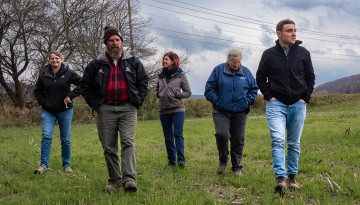
As the dairy industry faces mounting pressure from consumers to report on environmental sustainability impacts, a collaboration between Cornell’s College of Agriculture and Life Sciences and Chobani is aimed at helping dairy farmers reduce their environmental footprint.
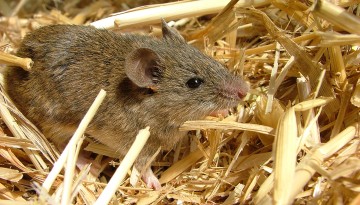
The history books say the Azores were discovered by Portuguese explorers in 1427. But mouse DNA and lake sediment suggest that the mid-Atlantic archipelago was actually discovered as much as 700 years earlier, by Vikings.
A new graduate award will empower Cornell graduate students in global development to pursue innovative thinking in their studies and careers.
The Ronny Adhikarya Niche Award (RANA) provides $10,000 in funding to either a…
By summer 2022, Cornell plans to drill a 10,000-foot hole to verify whether conditions underground will allow Earth Source Heat to warm campus and reduce the university’s carbon footprint.
New Cornell research finds that in remote parts of Bangladesh with little internet access, people have relied on local experts, spiritual views and their sense of social justice to evaluate new coronavirus information.
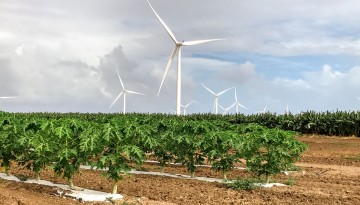
The project will prepare agricultural students to develop skills, knowledge and abilities in sustainable agriculture and natural resource management on the island.
First-generation students bring a unique perspective to their educational experience at Cornell, and the university is committed to fostering opportunities for them.
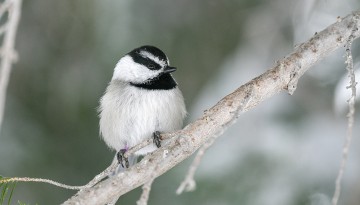
For the first time, researchers have shown that there is a genetic component underlying the amazing spatial memories of mountain chickadees, which hide thousands of food items every fall and rely on these hidden stores to get through harsh winters.