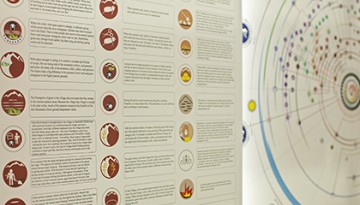
Art, sculpture, photos, and prints bring research on climate adaptation and resiliency to life at Cornell Botanic Gardens' Nevin Welcome Center. The exhibits illustrate the value and impact of a collaborative project with faculty and indigenous farmers, fishers, herders, hunters, and orchardists across the globe.
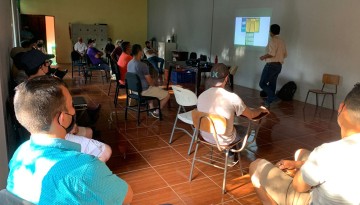
As Costa Rica gets dangerously warmer and drier due to the onslaught of climate change, bean breeders here are at the front lines of the fight to protect food security.
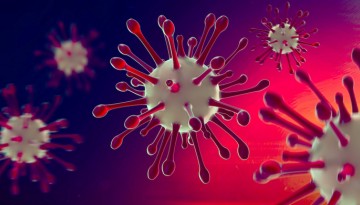
A computational tool will greatly benefit our understanding of the SARS-COV-2 virus and the development of drugs that block sites where the virus binds with human proteins.
Bhargav Sanketi earned third place in the Ivy+ Three Minute Thesis (3MT) competition. 3MT challenges graduate students to present their thesis research compellingly to general audiences in just three minutes.
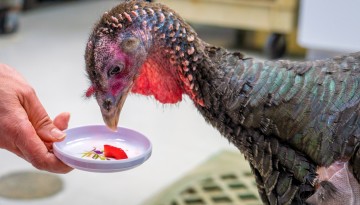
While Thanksgiving may be a perilous time for turkeys, one wild turkey has a lot to be grateful for as she recovers at Cornell’s Janet L. Swanson Wildlife Hospital from a dog attack.
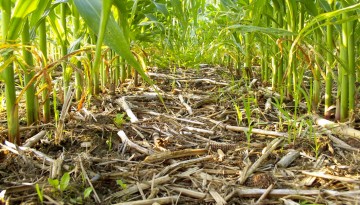
Cornell researchers have developed an innovative technique to track microbes and understand the various ways they process soil carbon, findings that add to our knowledge of how bacteria contribute to the global carbon cycle.
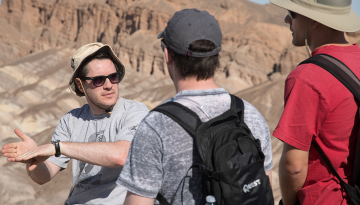
The Cornell Geopaths Geoscience Learning Ecosystem will help students explore opportunities for geoscience graduate study, giving them exposure to socially relevant careers in atmospheric and geological sciences.
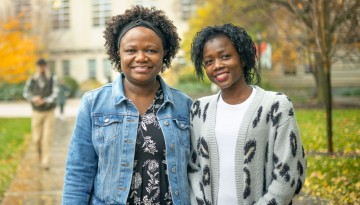
The Cornell Assistantship for Horticulture in Africa, a program that brings master’s students from sub-Saharan Africa to Cornell to complete doctorate degrees in horticulture, has now added a second assistantship for African Americans.
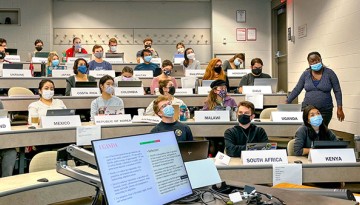
During the COP26 climate change conference, 45 Cornell undergraduate and graduate students plugged in from Ithaca to hear international negotiations first-hand and environmental history.