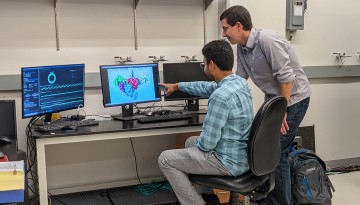
The new findings published in Science capture never-before-recorded stages of a molecular construction process, with implications for future pharmaceutical development.
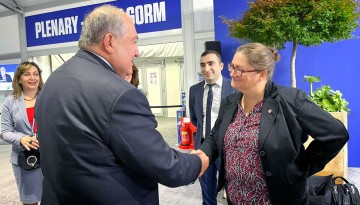
Working with the Armenian delegation at COP26, Allison Chatrchyan aims to shape U.N. agriculture policy to reduce greenhouse gas emissions and increase carbon sequestration.
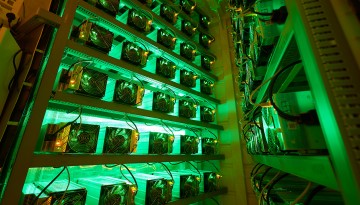
Four Cornell faculty testified to the NYS Assembly Oct. 27 on how firing up once-shuttered carbon-based power plants – to process cryptocurrency – could pause environmental progress.
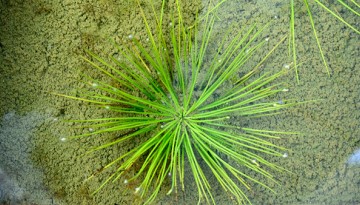
Researchers have assembled a high-quality Isoetes genome that furthers understanding of how these aquatic plants regulate CAM photosynthesis to compete for carbon dioxide underwater, and how that regulation differs from terrestrial plants.
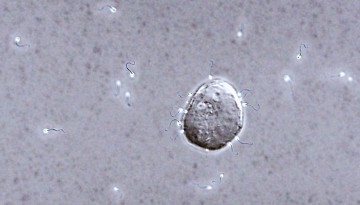
A new study by Cornell researchers reveals how sperm change their swimming patterns to navigate to the egg, shifting from a symmetrical motion that moves the sperm in a straight path to an asymmetrical one that promotes more circular swimming.
JP Pollak, co-founder and chief architect at The Commons Project Foundation, which is working on a universal vaccine app, is the guest for the fifth episode of the Startup Cornell podcast.
A team of graduate students in food science, mechanical engineering and biological engineering is among the winners of Phase 1 of the NASA Deep Space Food Challenge.
A talk by Brig. Gen. Joseph Biehler, “The Role of the Military in Supporting State Crises,” will highlight campus events in observance of Veterans Day, on Nov. 11.
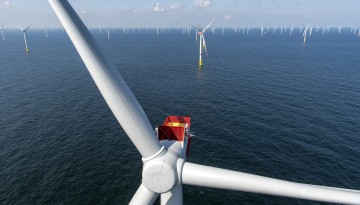
Cornell research shows how to make offshore wind farms more efficient in the face of impending rapid expansion, as the U.S. Department of the Interior plans leasing federal waters.