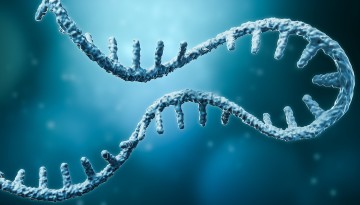
Researchers developed machine-learning models that can sift through cell-free RNA and identify key biomarkers for chronic fatigue syndrome, a debilitating disease that is difficult to confirm in patients because its symptoms can be easily confused with those of other illnesses.
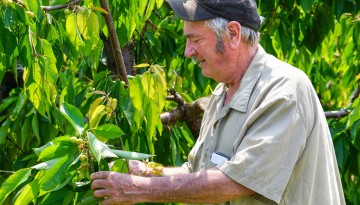
Bittner-Singer Orchards, a 400-acre farm in Niagara County along the shores of Lake Ontario, looks like your average orchard but is also a site of cutting-edge Cornell research.
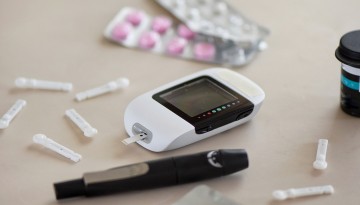
Cornell researchers have developed an implant system that can treat Type 1 diabetes by supplying extra oxygen to densely packed insulin-secreting cells, without the need for immunosuppression.
Every week during the summer and fall, Sullivan County residents gather at Sullivan Fresh farmers markets to shop for fresh, affordable produce, participate in cooking demonstrations, and connect with their community. Operated by Cornell Cooperative Extension Sullivan County, the initiative has been uniting residents and farmers since its launch in 2017.
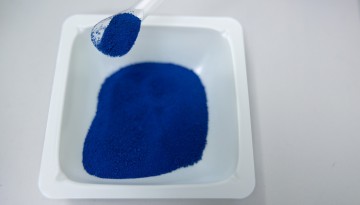
The findings of a new study reveal how the current instructions for reconstituting powdered formula are ambiguous and can fail to protect against potentially fatal food-borne bacteria.
Three new research projects will receive funding and training through the Ignite Fellow for New Ventures program to transform university research into new ventures and products that can benefit society.
The Einhorn Center for Community Engagement awarded nine grants to a diverse array of projects that connect classroom learning with community partners.
Project teams in Rev: Ithaca's Prototyping Hardware Accelerator will present their ideas – from AI cocktail generators to plastic recycling machines - at Demo Day on July 31.