Doctoral student Cheyenne Reuben-Thomas is one of five fellows Cobell Graduate Summer Research Fellows for 2025, selected from a pool of over 100 graduate student applicants.
Northern New York Veterans in Agriculture (AgVets), a program run by Cornell Cooperative Extension Jefferson County, since 2020 has helped more than 2,200 area service members explore the field of agriculture through classes, tours and mentorships with local farmers.
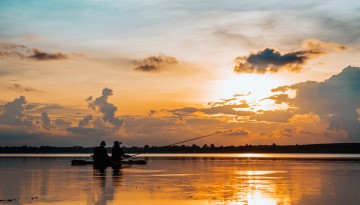
Since relocating to Upstate New York, Myanmar refugees’ relationship to fishing has shifted, from angling for food and nutrition to being a means for maintaining social connections, time outdoors and emotional well-being.
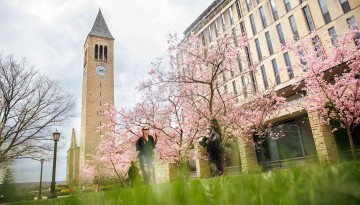
At its May 23 meeting, the Cornell Board of Trustees elected five new trustees and reelected six current trustees to four-year terms. They all join recent alumni- and student-elected trustees.
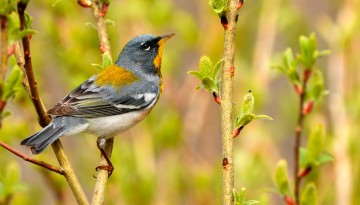
The vast agricultural landscape of the U.S. Midwest known as the Corn Belt acts as a barrier for migrating landbirds, causing them to adjust their flight behaviors similar to when crossing natural barriers like the Gulf of Mexico.
During a May 23 ceremony in Statler Auditorium, more than 25 members of Cornell’s Reserve Officers' Training Corps Tri-Service Brigade were commissioned as second lieutenants or ensigns in the Army, Navy, Marines, Air Force and Space Force.
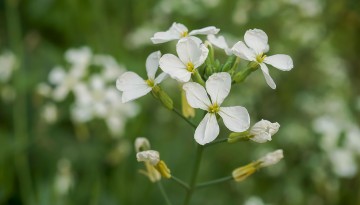
Flowers grow stems, leaves and petals in a perfect pattern again and again. A new Cornell study shows that even in this precise, patterned formation in plants, gene activity inside individual cells is far more chaotic than it appears.
Smolka, a biochemist and former interim director of the Weill Institute for Cell and Molecular Biology, will support life sciences across the university.