Each summer at Jones Beach State Park, Cornell Cooperative Extension Nassau County and partners engage more than 200 local kids, often from under-resourced communities, with marine wildlife and ecology, water safety and sustainability education.
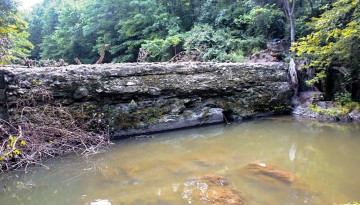
Water resource managers are increasingly investigating removing dams to restore connectivity and improve aquatic habitats, water quality and fish passage.
Twenty people from 12 countries swore the oath of allegiance to the United States to become new citizens at a naturalization ceremony held at the College of Veterinary Medicine on July 23.
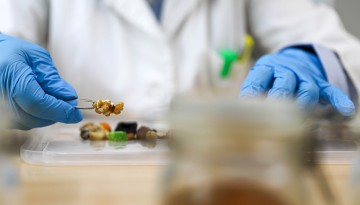
Insecticides added to cattle feed to combat flies “significantly lower” populations of dung beetles, which control flies naturally, new research finds.
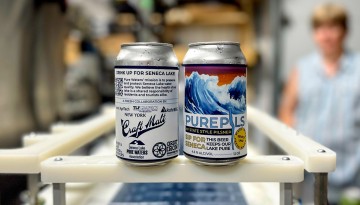
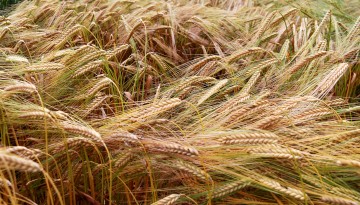
LakeEffect, the first winter malting barley released by the Cornell Small Grains Breeding Program, produces high yields, is disease resistant and has a good malting profile, researchers in the School of Integrative Plant Science said.
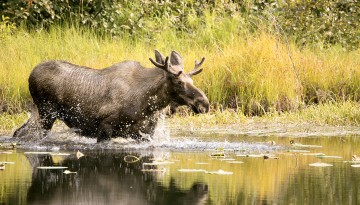
Two types of parasites that often use deer as hosts, but rarely lead to illness in them, are much more problematic in moose, where they can cause many symptoms and be fatal.