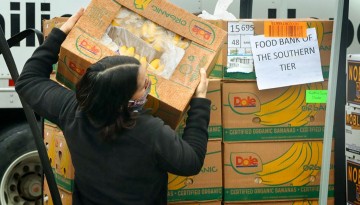
Cornell systems engineers examined data from a busy New York state food bank and, using a new algorithm, found ways to better allocate food and elevate nutrition in the process.
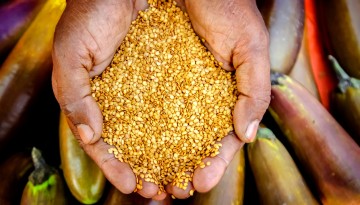
A new app co-developed by Cornell researchers is expected to streamline information-sharing, during the COVID-19 pandemic and beyond, for farmers in Bangladesh growing genetically engineered eggplant.
Fall 2020 marks the second year of the College of Agriculture and Life Sciences peer-mentoring program, developed to support incoming first-generation students and decrease racial disparities in academic achievement.
Jaron Porciello in the Department of Global Development is exploring barriers to the widespread adoption of digital agriculture tools through a grant from USAID and the Bill & Melinda Gates Foundation.
Ascribe Bioscience, a Cornell-based startup and UNY I-Corps alumni, has won a $750,000 National Science Foundation Small Business Innovation Research Phase II award.
Facebook posts about birthdays and anniversaries prompt users to reflect on the passage of time and the patterns of their lives, according to new Cornell research.
Cornell researchers’ concept for a mobile phone-based system to detect infectious diseases and nutritional deficiencies in saliva was awarded a $100,000 NIH Technology Accelerator Challenge prize.
The NSF has awarded $1.5 million to Cornell engineers to help bridge New York’s digital divide by designing the nation’s first statewide Internet of Things public infrastructure.
Cornell food scientists show in animal studies that a mother’s high-fat diet may lead to more sweet-taste receptors in taste buds resulting in poor feeding behavior, obesity in adulthood.