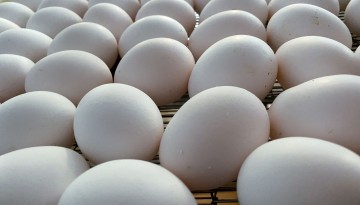
Animal science grad student Kasey Schalich is taking eggs from the Cornell poultry farm and donating them to local food banks, instead of leaving them for compost. To do so, she founded a group called Egg-Vengers.
Around campus academic quads and residential areas, in the thick of autumn’s red and yellow leaves, soon there’ll be something green: a new tool-toting, solar power-generating trailer.
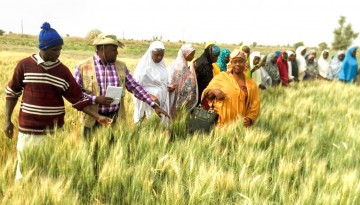
As millions of Nigerian farmers flee the militant group Boko Haram, a Cornell-trained Nigerian scientist is providing support to create a more profitable, equitable future – especially for the many farmers who are women.
Jenna Hershberger and Ella Taagen, doctoral candidates in plant breeding, are among 10 graduate students nationwide who’ve been selected as National Association of Plant Breeders Borlaug Scholars.
Twenty faculty members from eight colleges have been named Engaged Faculty Fellows, committed to advancing community-engaged learning and scholarship at Cornell and within their academic disciplines.
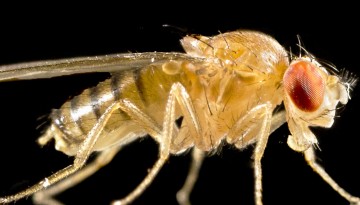
Two Cornell research teams, studying crop viruses and insecticides’ physiological effects on insects, have received grants totaling nearly $900,000 from the U.S. Department of Agriculture’s National Institute of Food and Agriculture.
Research from the Feschotte Lab identifies 28 new SARS-CoV-2 and coronavirus associated receptors and factors that predict which tissues are most vulnerable to infection.
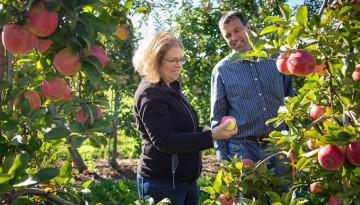
This fall, apple lovers can look forward to three new varieties from the oldest apple breeding program in the U.S. — located at Cornell AgriTech in Geneva, New York, part of the College of Agriculture and Life Sciences.