The Discovery Kitchen, a state-of the-art teaching kitchen under construction in the North Campus Residential Expansion's dining facility, will bring together researchers and food service professionals to advance sustainable menus, dietary education and food literacy across campus.
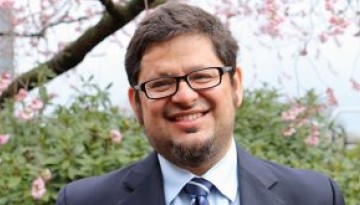
Mario Herrero, a leading global expert in sustainable food systems, will join the College of Agriculture and Life Sciences (CALS) and become the university’s second Cornell Atkinson Scholar.
Cornell Cooperative Extension and faculty experts discussed opportunities to diversify agriculture and address food insecurity during a New York State Senate hearing on April 13.
Recognizing that produce is grown and harvested by farmers of many different backgrounds, the Cornell Produce Safety Alliance has expanded to include education and training for Spanish, Chinese and Portuguese speaking growers in the U.S. and elsewhere.
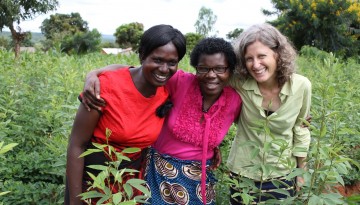
A collaborative research program led by Rachel Bezner Kerr has united agricultural communities across Malawi and Tanzania — culminating in a nonprofit with 10,000 members, several farmer-led training programs and internationally acclaimed expertise in agroecology.
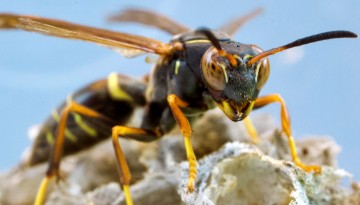
Just as humans are challenged from the social isolation caused by the coronavirus pandemic, a new study finds that a solitary lifestyle has profound effects on the brains of a social insect: paper wasps.
The annual business symposium examines climate change resilience, community revitalization, social justice and reducing the clothing industry’s large carbon footprint.
Cornell’s Institute for Food Safety is teaming with the New York State Department of Agriculture and Markets to offer the first-ever in-state FDA course to train food inspectors across the state.