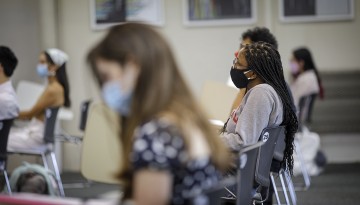
Two Graduate Teaching Fellows at the Center for Teaching Innovation developed and facilitated a training workshop for plant science teaching and lab assistants focused on inclusive teaching.
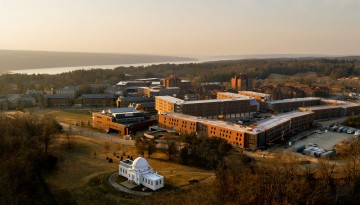
Cornell will honor Nobel Prize winner Barbara McClintock, renowned Chinese scholar Hu Shih and the Cayuga Nation with names for new North Campus residence hall buildings.
Bhargav Sanketi won Cornell’s 2021 Three Minute Thesis (3MT) competition. 3MT challenges graduate students to present their thesis research compellingly to general audiences in just three minutes.
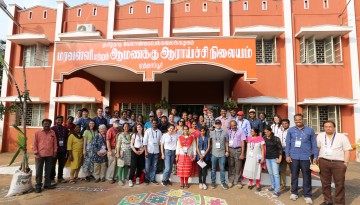
Research Professor of Global Development KV Raman works to implement global partnerships for food and agriculture systems — bringing together Cornellians and partners in developing countries to build solutions for hunger, poverty and malnutrition.
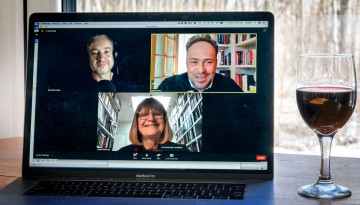
For wineries, meeting COVID-19 guidelines was a sobering task, but some changes boosted business for the better, according to a Cornell survey presented at the recent B.E.V. NY conference.
In the next webinar of the College of Arts and Sciences’ yearlong series, “Racism in America,” panelists will focus on the impact of racism on access to health care and health outcomes, March 29 at 7 p.m.
Two doctoral candidates engaged scholars nationwide in a conversation about strategies to keep researchers safe while conducting fieldwork through a paper presentation and expert-led panel discussion.
A team of researchers from the Cornell Lab of Ornithology and Virginia Tech found that only 9% of birdwatchers surveyed purchased shade-friendly coffee and less than 40 percent were familiar with it.