Local community organizations, activists, students and researchers will meet April 19 to delve into the historical significance of the Freedom Farm Cooperative movement and spur conversations around the contemporary resurgence of food justice and sovereignty movements in rural and urban spaces.
Women’s increased agricultural labor during harvest season, in addition to domestic house care, often comes at the cost of their health, according to new research from the Tata-Cornell Institute for Agriculture and Nutrition.
A first-of-its-kind report intends to guide innovators and investors toward urgent technology needs in New York’s farming and food processing industries, as identified by dozens of farmers, manufacturers, retailers and researchers.
“Our Changing Menu,” a new book from Cornell University Press, explains how our warming world affects crops and how it soon will alter your dinner plate.
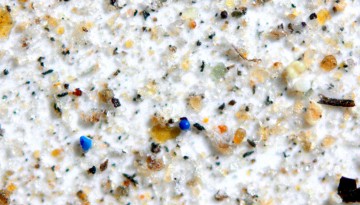
By sea or by land, microscopic shards of plastic are more ubiquitous than science had known, according to a new study led by researchers at Cornell and Utah State University.
New research led by Jeff Niederdeppe, professor of communication, reveals that increased exposure to televised campaign ads is associated with increased odds of a person being diagnosed with anxiety by a doctor.
Associate professor Todd Schmit and extension associate Matt LeRoux from Dyson will use a USDA grant on research to help improve the marketing returns for small- and medium-sized livestock farms in New York state.
A team of researchers led by Cornell Atkinson Director David Lodge is developing a model for collaborative engagement between university researchers and decision-makers to help define research agendas, enhance communication, and prioritize real-world impact.
Cornell Atkinson and Environmental Defense Fund announce three new Innovation for Impact [link] awards for research projects that aim to accelerate problem-solving research and catalyze rapid integration of research into effective policy.