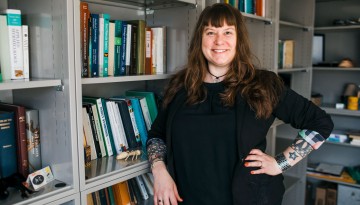
As CCSS fellows, a dozen faculty members representing seven colleges and schools will pursue ambitious research projects on issues ranging from political polarization to environmental justice.
The seminar explores the ways in which women, people of color and others have been marginalized in science, technology, engineering and mathematics and how to address exclusion.
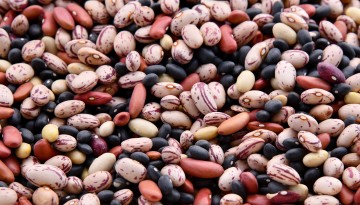
New research from Elad Tako, associate professor of food science, shows that iron and zinc in biofortified foods, such as beans and wheat, can improve the health of gut bacteria and reduce the risk of malnutrition.
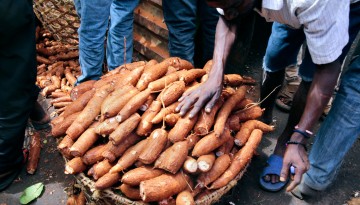
A $2.65 million gift to support Cornell and partner research in Tanzania will improve distribution of new and more resistant varieties of cassava while empowering women and marginalized groups in the East African nation.
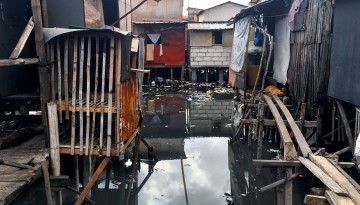
In coastal regions of the Philippines, ties to the community motivate most people to stay in their homes despite the risks of frequent, severe floods, Cornell research finds.
Cornell wind energy scientists have released a new global wind atlas – a digital compendium filled with documented extreme wind speeds – to improve turbine placement.
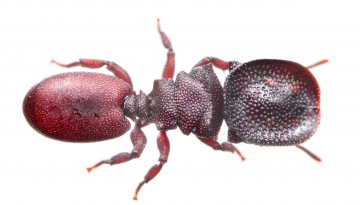
Gut bacteria in a species of herbivorous ant play a major role in processing nutrients that allow the ants to build tough exoskeletons, an international team of researchers has found.
Richard Stup, agricultural workforce specialist, analyzed the key issues facing New York state farmers this year during Dyson's 2021 Agricultural and Food Business Outlook Conference, held virtually Jan. 25.
Kavous Keshavarz, professor emeritus in the Department of Animal Science and an expert in poultry nutrition, died Jan. 7 in Atlanta, Georgia. He was 82.