On March 10, Alexander Chung ’21, Anjan Mani ’23 and Felipe Santamaria ’23 helped rescue a 62-year-old man who’d fallen into the 40-degree water of Cayuga Lake while fishing off a pier with his two grandsons.
Using light from the Big Bang, an international team led by Cornell and the Berkeley National Laboratory has begun to unveil the material which fuels galaxy formation.
A team of scientists at the Center for Bright Beams – a National Science Foundation Science and Technology Center led by Cornell – are working on the next generation of superconducting materials.
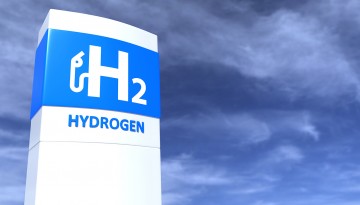
Prompted by Cornell research, the Standard Hydrogen Corp. and National Grid announced plans March 11 to build the first hydrogen “energy station” of its kind in the nation.
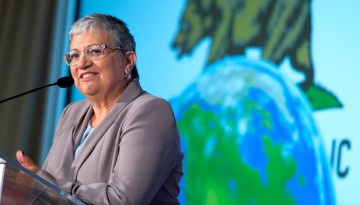
Anne Chow ’88, M.Eng. ’89, MBA ’90, chief executive officer of AT&T Business, will give the inaugural Mei-Wei ’72 and Amy Cheng Distinguished Lecture in Technology, virtually on March 25.
The W.E. Cornell program, which aims to improve gender representation in entrepreneurship, is launching its spring cohort as industries reckon with the inequities exposed by the COVID-19 pandemic.
The College of Engineering’s Kessler Fellows program welcomed 20 new student entrepreneurs to its latest cohort, where they will explore entrepreneurship through academic coursework, mentorship with entrepreneurs and an internship.
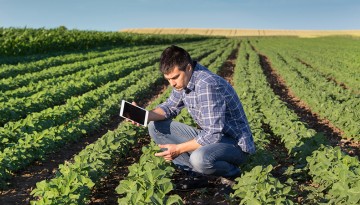
An app that would maximize profit and minimize food spoilage and loss across the agriculture supply chain was named the grand prize winner in the third annual Cornell Institute for Digital Agriculture Hackathon.