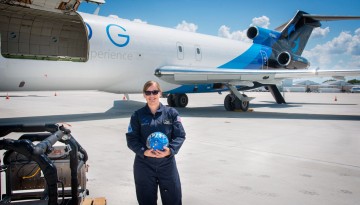
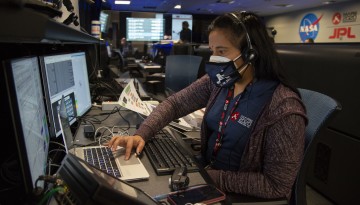
Laura Jones-Wilson, M.S. ’10, Ph.D. ’12, learned the term ‘aerospace engineer’ from watching ‘Star Trek’ episodes. With a Cornell education, she has landed her dream job at NASA.
Cornell researchers are using low-cost aluminum to create a rechargeable battery that is safer, less expensive and more sustainable than lithium-ion batteries.
John A. Swanson ’61, M.Eng. ’63, an innovator in the application of finite-element methods of engineering, will be honored with the 2021 Cornell Engineering Distinguished Alumni Award.
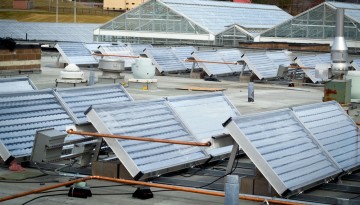
A new solar collector array atop Guterman Research Center is one of several sustainability projects, from reusable dining serviceware to living laboratory experiments, that are continuing apace despite the many interruptions made by COVID-19 to campus life.
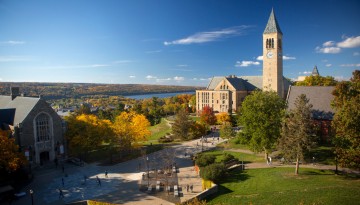
A policy statement approved by the Cornell Board of Trustees details broad protections for faculty, students and staff concerning academic freedom and rights to freedom of speech and expression.
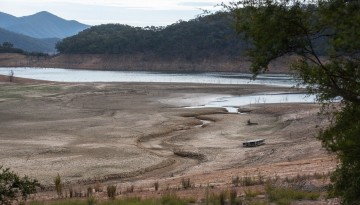
A new study finds that not only can localized water shortages impact the global economy, but changes in global demand send positive and negative ripple effects to water basins across the globe.
Mohan's time as an undergrad at Cornell's Sibley School was highly influential in steering her career at NASA. Now she is the guidance, navigation and controls operations lead for the Mars 2020 mission.
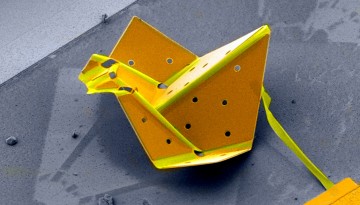
Cornell researchers have created what is potentially the world’s smallest self-folding origami bird by using micron-sized shape memory actuators to bend and hold its form.
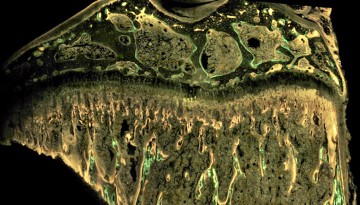
A Cornell-led collaboration has found that bones may grow in response to breast cancer tumors – possibly as a preemptive defense mechanism against metastasis. The findings could point the way to future diagnostic tests and therapeutic treatments.